
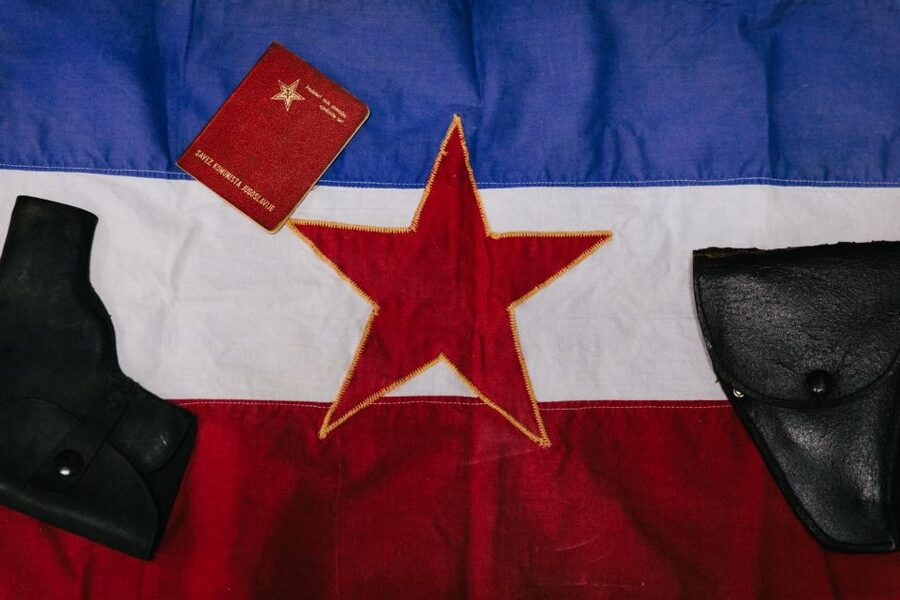
Reviewed · HISTORICAL TOURS
Dubrovnik: Red History Museum Regular Ticket
Dubrovnik is famous for its walls, so it’s a change of pace to walk into recent history. The Red History Museum uses the setting of a real factory complex, and turns communist-era life into an interactive, hands-on experience you can actually picture. I loved the way the exhibits mix politics and pop culture, so history does not feel like a lecture. I also liked the photo moment with the Yugo 45, which gives the whole theme a fun, memorable anchor.
One thing to consider: the museum is small, so if you expect a huge, multi-floor mega museum, you may want to pair it with something else in the port area to fill your day.
In This Review
- Key Takeaways Before You Go
- Red History Museum in Dubrovnik: What You Really See
- Walking Through T.U.P.: Why the Factory Setting Changes Everything
- Interactive Exhibits That Teach Without Feeling Like School
- The Most Memorable Moment: The Yugo 45 Photo Spot
- Pop Culture and Design: Communist Products and Period Style
- Politics and the Non-Aligned Story You Might Not Know
- Goli Otok: A Darker Chapter Behind the Curtain
- Where the Staff Come In: Viktor and Helpful Guidance
- Price and Value: Is $11 Worth It?
- Practical Tips for Getting the Most Out of It
- Who This Museum Is Perfect For
- Should You Book Red History Museum Tickets?
- FAQ
- Where is the Red History Museum located?
- What does the regular ticket include?
- What can I expect inside the museum?
- Is there anything fun or photo-worthy at the museum?
- Are drinks or candy included?
- Who is the experience provider?
Key Takeaways Before You Go
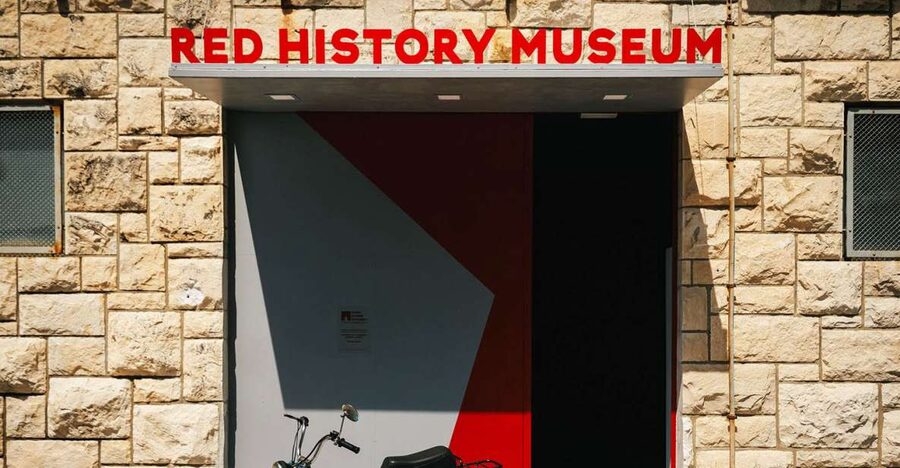
- Factory setting at T.U.P. (built in 1953) makes the history feel physical, not theoretical.
- Interactive exhibits help you learn without sitting through long explanations.
- Goli Otok content adds an intense, human layer to the communist story.
- Pop culture reenactments include communist versions of Coca Cola and Fanta.
- Yugo 45 photo spot is a quick, satisfying laugh with real context.
- Staff support you can lean on, including an informative Viktor mentioned in feedback.
Red History Museum in Dubrovnik: What You Really See
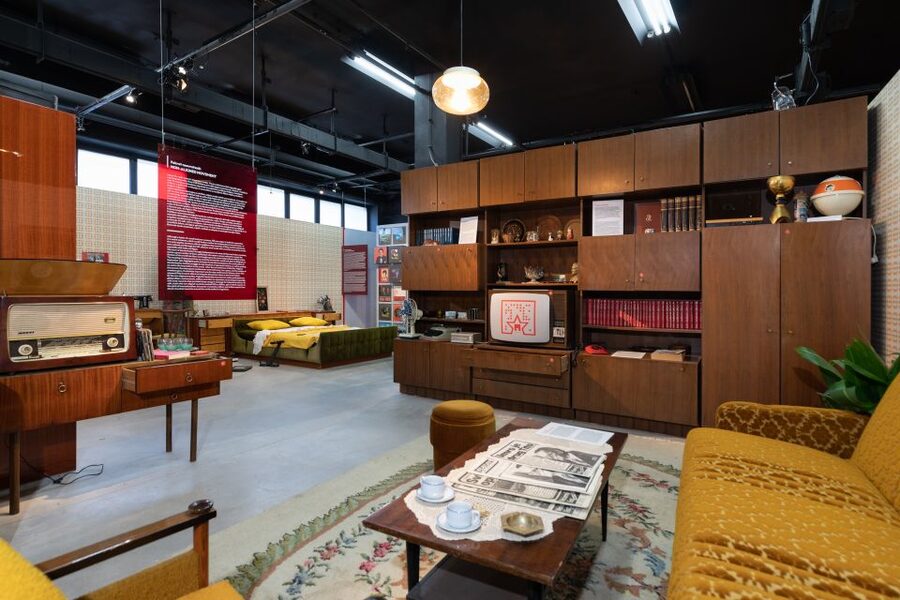
The Red History Museum is set in the last factory complex in Dubrovnik called T.U.P., built in 1953 in the port area. That matters because you are not walking through neutral white walls. You’re inside a place that was built for working life, and the museum uses that mood to tell a story about the Yugoslav period, including how people lived under communist rule.
Instead of only telling you what happened, the museum builds scenes and themes you can move through. You’ll find sections covering art and design, politics, secret agencies, and the way Yugoslavia fit into the non-aligned world. There are also soundtracks, period-style visuals, and real-life stories that keep it from feeling like a timeline stuck in the past.
If you like history that connects to everyday behavior, this one clicks. You leave with a better sense of why modern Croatia looks the way it does, because you understand what was happening behind the scenes not that long ago.
Walking Through T.U.P.: Why the Factory Setting Changes Everything
Most museums about political history sit in formal buildings. Here, the setting is closer to industrial reality. The museum occupies the last factory complex, and it uses both older and newer technologies to guide you through the experience. That blend is part of the point: you get period authenticity, but with enough modern interpretation that you can make sense of it quickly.
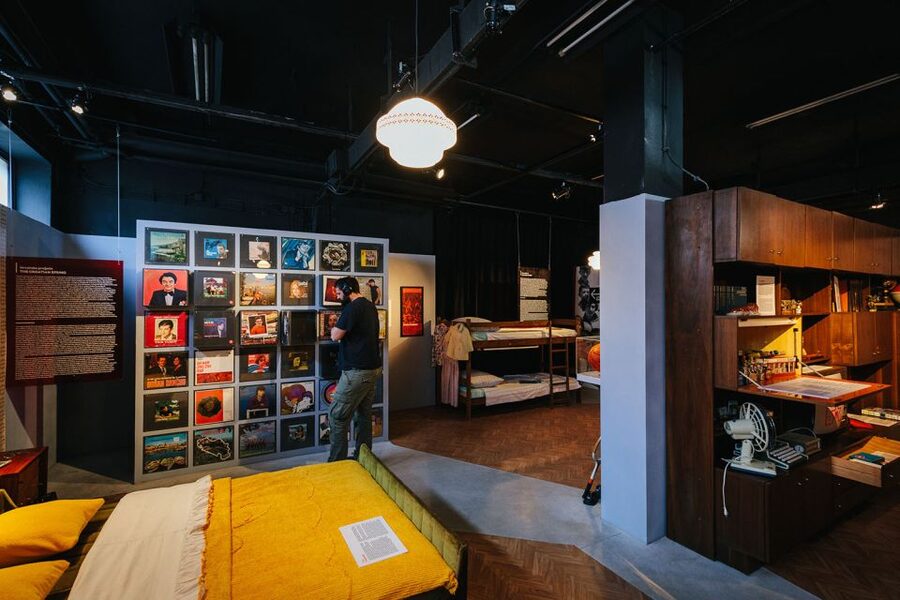
As you move through the space, you’ll notice how the designers use objects and reconstructed details to build a feel for a Yugoslav home. One feedback theme that comes up again and again is the reconstruction of a house. Even if you only spend a short time inside each area, those rooms help you shift from reading to imagining what daily life felt like.
This is one of the museum’s strongest values for visitors who want more than facts. It’s not only about what the system was. It’s about how ordinary people experienced it.
More of the Republic that ran this coast:
- Dubrovnik Old Town History Walking Tour
★ 5.0 · 1,684 reviews - Game of Thrones & History of Dubrovnik Tour
★ 5.0 · 628 reviews - Dubrovnik: Old Town History Walking Tour
★ 4.9 · 474 reviews - Early Bird Dubrovnik History Tour – 7:30 Start
★ 5.0 · 198 reviews
Interactive Exhibits That Teach Without Feeling Like School

The museum calls itself a window into communist life, and it earns that description through interactivity. You’ll encounter multiple ways to learn, including visuals, staged scenes, and hands-on moments. The goal is clear: you should keep moving, keep engaging, and not get stuck in one long info block.
One detail I especially appreciate is how the museum balances serious topics with lighter, pop-culture angles. You’ll see “communist versions” of familiar products, like Coca Cola and Fanta, presented in a way that makes you smile while still underlining how daily life reflected ideology and state influence.
The other big win is that the museum does not treat history as one-note. You get a picture of how people were influenced and watched, but you also get the lived textures: furniture, styling, and the everyday routines those visuals suggest.
A possible drawback: if you hate anything even loosely “themed” or playful, you might wish there were more purely documentary sections. The museum leans into the idea of experience, not just explanation.
The Most Memorable Moment: The Yugo 45 Photo Spot
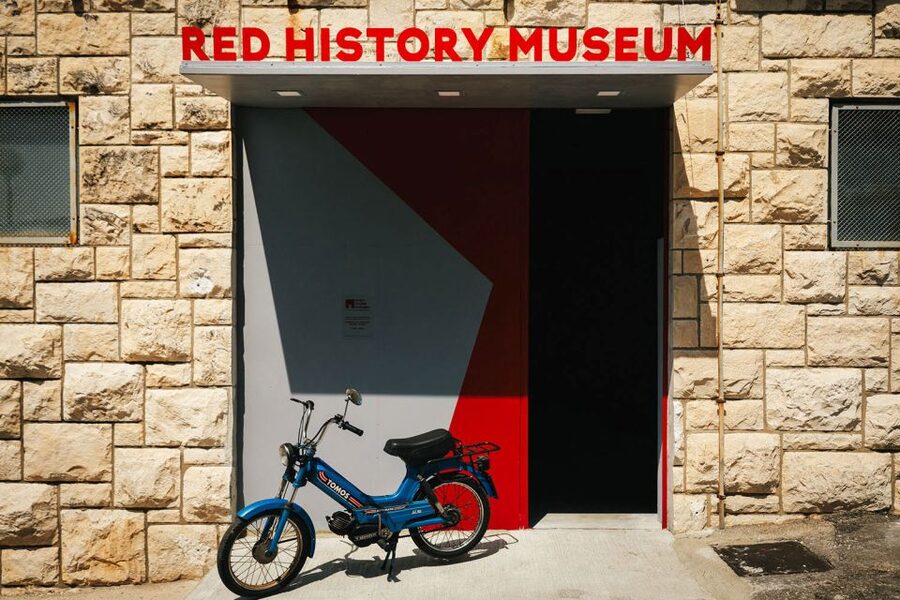
Some museums give you a souvenir shop. This one gives you a photo. The famous Yugo 45 is a highlight that visitors often remember right away, partly because it’s an instant conversation starter and partly because it represents a very specific slice of Yugoslav life.
When you take the photo, you’re not just doing a gimmick. You’re capturing an object that symbolizes how everyday people got access to things, what was available, and what life looked like inside a different economic and political system.
If you travel with friends or family, this is also a great “everyone can participate” stop. It breaks the rhythm in a good way, especially in a museum where you might otherwise be reading a lot.
Pop Culture and Design: Communist Products and Period Style
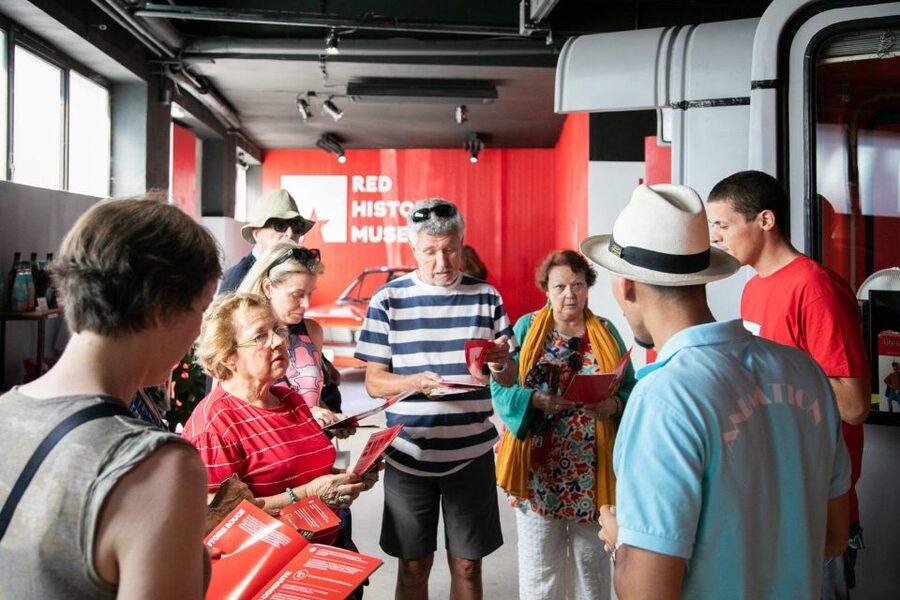
One of the most practical reasons to go is that pop culture is a fast route into understanding the broader story. The museum’s communist versions of Coca Cola and Fanta are a good example. You see a familiar brand translated through a different system, and you start noticing the controls and compromises behind it.
The museum also covers art and design, which helps you see how ideology showed up in materials, styling, and public presentation. You’ll be thinking about more than politics by the time you reach these sections. You’ll start asking yourself how a society shapes taste, branding, and even what people imagine is normal.
Another thing I’d plan for mentally: the content spans both the bright and the uncomfortable sides of the socialist period. That mix can land differently depending on your background and your expectations. If you’re open-minded, the contrast becomes part of the learning.
Politics and the Non-Aligned Story You Might Not Know
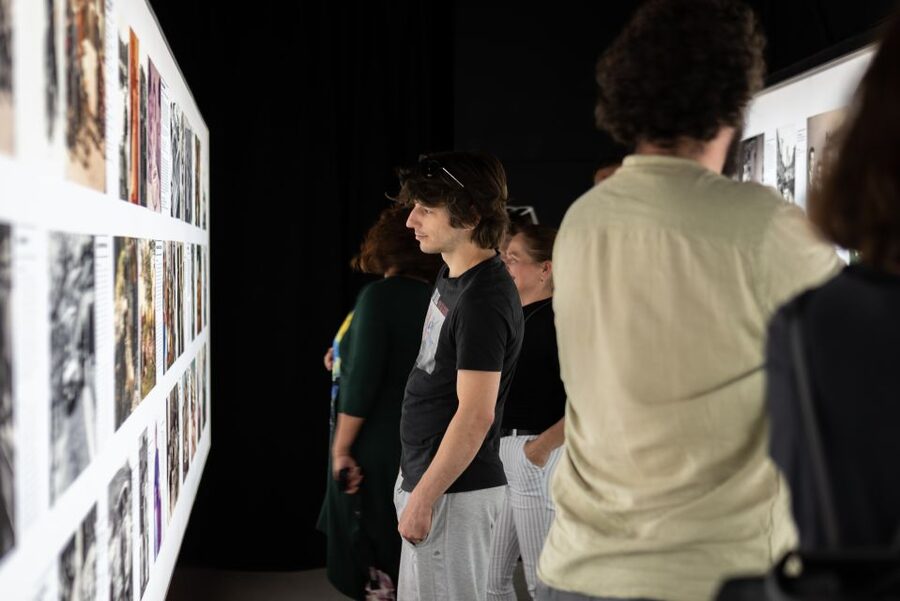
Croatia’s recent past includes layers that can be easy to skip if all you know is the headline narrative. This museum tries to fill that gap by showing Yugoslavia’s political position, including the way it related to the non-aligned movement.
That’s useful because it gives context for why Yugoslavia looked different from some other communist settings. Even if you only pick up a few key ideas, you’ll leave with a more accurate mental map of the era.
The museum also touches on secret agencies, which adds tension to the story and explains why life under communist rule often felt watched. You’re not only learning what the system said. You’re learning how it operated in practice.
Some other walled-city days to weigh
- Skip the Line: Love Stories Museum Admission Ticket★ 5.0 · 87 reviews
- Visit Shell Museum Cavtat★ 5.0 · 43 reviews
- Love Stories Museum Skip-the-Line Entrance Ticket★ 4.5 · 23 reviews
- Museum of Selfies & Illusions Dubrovnik Ticket★ 4.0 · 23 reviews
- Dubrovnik Rector’s Palace Cultural History Museum Tour★ 4.5 · 3 reviews
Goli Otok: A Darker Chapter Behind the Curtain
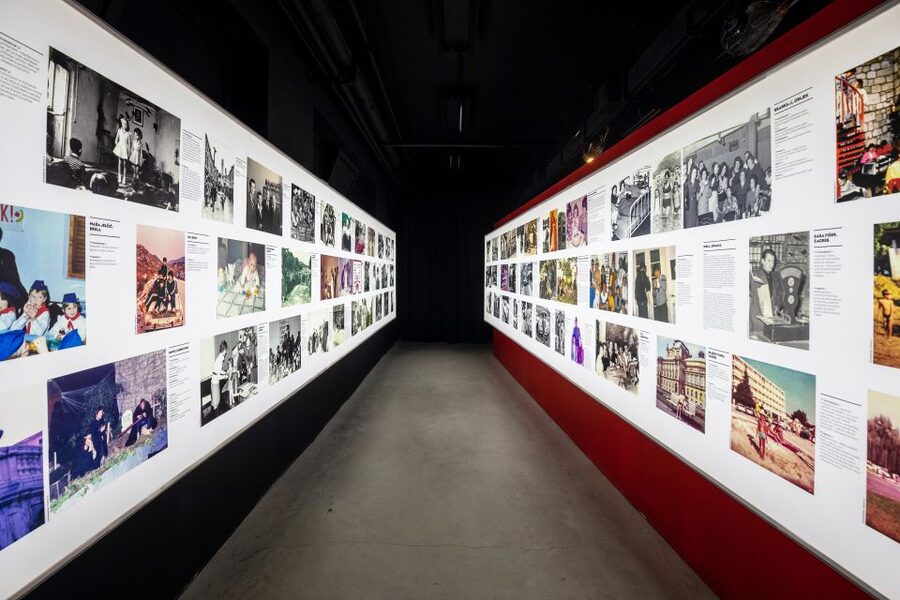
One of the most striking segments for many visitors is the content about Goli Otok, presented behind curtains. That presentation style matters because it signals that this is not the cheerful, postcard version of history.
This is where the museum shifts tone. Instead of focusing on objects and everyday scenes, it steers you toward the human consequences of the system. The experience is built so you can’t ignore it, and you come away thinking about what people endured.
If you’re sensitive to heavy history, I’d treat this section as a stop where you slow down and take your time. You don’t have to rush through it just to keep the pace. The value is in letting it land.
Where the Staff Come In: Viktor and Helpful Guidance
Staff presence can make or break a small museum. In this case, people specifically mention helpful, informative guidance from Viktor. That’s the sort of detail that signals the museum can answer questions and point you toward the right parts of the story if you’re trying to connect the dots.
If you’re the type who likes to ask quick questions to understand context, you’ll likely appreciate the support. If you prefer to wander without interruptions, you can still do that, since the museum is set up as an experience you move through at your own pace.
Price and Value: Is $11 Worth It?
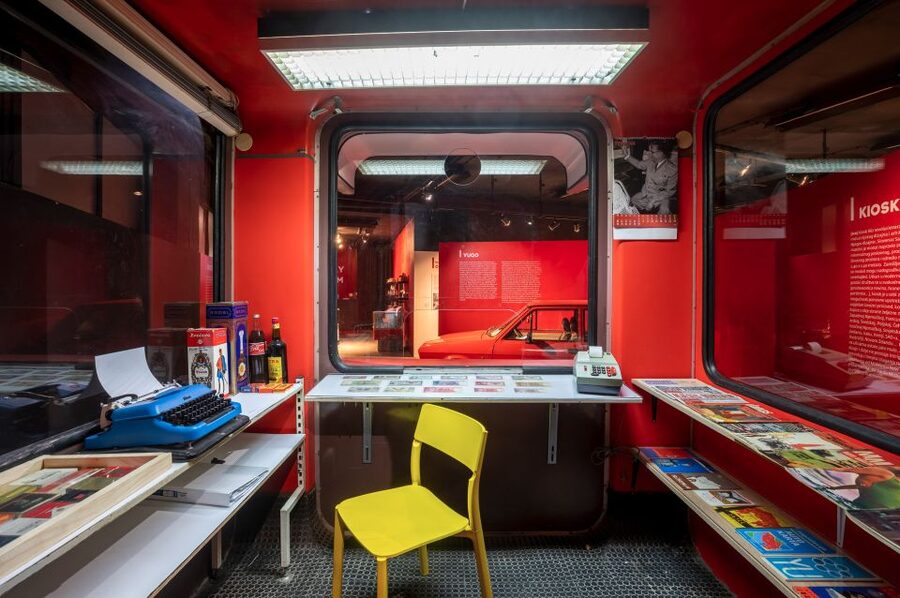
For about $11 per person, the Red History Museum is strong value if you want context for modern Croatia. The ticket gets you regular entry, and the experience is packed with different formats: interactive stations, themed scenes, period design, and pop culture moments.
Here’s how I think about value for this specific museum. You’re paying for the combination of:
- A memorable, photo-friendly anchor with the Yugo 45
- A focused theme you can’t recreate elsewhere in Dubrovnik
- A serious history angle that still stays readable and engaging
If your time in Dubrovnik is limited and you only want one off-the-walls attraction, this can be a smart choice because it gives you a new lens on the country in a way that feels approachable.
If you dislike political museums, or if you want purely scenic sightseeing, then the value might feel less obvious. In that case, you’d be better off booking something else for your limited hours. But for the right mood, $11 feels fair.
Practical Tips for Getting the Most Out of It
You’ll enjoy this museum more if you go in with a couple expectations:
- Treat it as a story you walk through, not a checklist.
- Plan to spend time in the reconstructed home and the harder Goli Otok section.
- Take a moment to look at the smaller objects and styling, since design and design details carry meaning here.
Also, since there’s a strong pop-culture component, don’t skip the end treatment. The museum includes popular drinks and candies from the era, including communist versions of Coca Cola or Fanta. It’s a light finish, and it helps your brain connect the history to everyday sensations.
Finally, if you want to use any digital or virtual scanned images, keep an eye out for prompts. One visitor noted that scanned items did not do anything when scanned for them, so it can be worth checking in with staff if a feature seems unresponsive.
Who This Museum Is Perfect For
This is a great match if you:
- Want a deeper view of Croatia’s recent past, not just medieval Dubrovnik highlights
- Like interactive museums where you can touch the theme, literally and emotionally
- Enjoy pop culture as a learning tool, not only as a break from reading
It’s also a solid pick for adults who travel with teens who ask real questions, because the museum covers the system, the design, and the human impact in a way that feels accessible.
If you only want grand scale and very long exhibits, you might find the size limiting. Still, the payoff is in the focus.
Should You Book Red History Museum Tickets?
I’d book this if you want a fast, memorable way to understand today’s Croatia through yesterday’s politics and daily life. The interactive approach, the factory setting at T.U.P., and the standout photo moment with the Yugo 45 make it easy to recommend.
I’d skip it only if you strongly prefer scenic walking sights over museums, or if political history in any form tends to drain your energy. Otherwise, for roughly $11, it’s a practical use of Dubrovnik time that adds real depth to your trip.
FAQ
Where is the Red History Museum located?
It’s in Dubrovnik, Croatia, in the port area, inside the last factory complex in town called T.U.P., built in 1953.
What does the regular ticket include?
The regular ticket includes entry to the Red History Museum.
What can I expect inside the museum?
You can explore an interactive experience about life under communist rule, with exhibits covering art, design, politics, secret agencies, and the non-aligned context. There is also period audio and real-life stories.
Is there anything fun or photo-worthy at the museum?
Yes. There is a photo moment featuring the Yugo 45, described as the famous worst car ever.
Are drinks or candy included?
At the end, you can try popular drinks and candies from the era, including communist versions of Coca Cola or Fanta.
Who is the experience provider?
The provider listed for this experience is Majeutika d.o.o.
New around Dubrovnik


Historical Tours, compared.


Early Bird Dubrovnik History Tour – 7:30 Start
Read our review →
Dubrovnik Jewish Heritage Private Walking Tour
Read our review →


Dubrovnik History, Sweets & Liquors in a Private Palace (PRIVATE)
Read our review →Browse the lists this tour appears in