
Reviewed · COOKING CLASSES
Croatian Traditional Cuisine: Peka Cooking Lesson
Peka is serious comfort food.
A morning cooking lesson in Mokošica puts you right beside the peka dome oven method, and it is run with real local warmth by Florio. I love how this is not just about recipes, it is about how food, tools, and daily life fit together in southern Croatia.
What I like most is the hands-on pacing and the full process. You see how meat and vegetables cook under that bell-like lid, and you get the chance to understand why the technique matters, not just what to do.
The one thing to weigh is the price. At $162.47 per person for about 4 hours, it is not cheap, but the small group size, homemade food and wine, and very personal hosting help justify it if you want something beyond a standard meal.
In This Review
- Key Highlights You Should Know
- Dubrovnik to Mokošica: Why the Drive Matters
- Meet Florio and Settle In at OPG Vukojević
- What Is Peka, Really? The Dome Oven Explained
- The Cooking Lesson Flow: From Prep to the Final Lid
- What You Eat and Drink, and Why It Feels Like Lunch, Not a Snack
- Vegetarian Option: How to Think About It
- The Converted-Station Detail and Local Stories on the Way
- Price and Value: Is $162.47 Worth It?
- Who This Is Best For (and Who Might Skip It)
- Practical Tips Before You Go
- Should You Book the Croatian Peka Cooking Lesson in Mokošica?
- FAQ
- How long is the peka cooking lesson?
- What time does the experience start?
- Where does the cooking lesson take place?
- Is it private, and how many people are in a booking?
- Is the tour offered in English?
- Is lunch included, and what about drinks?
- Can I request a vegetarian option?
- What are the minimum age requirements?
- Can I get a refund if I cancel?
Key Highlights You Should Know
- Florio’s hospitality makes the day feel personal, not staged
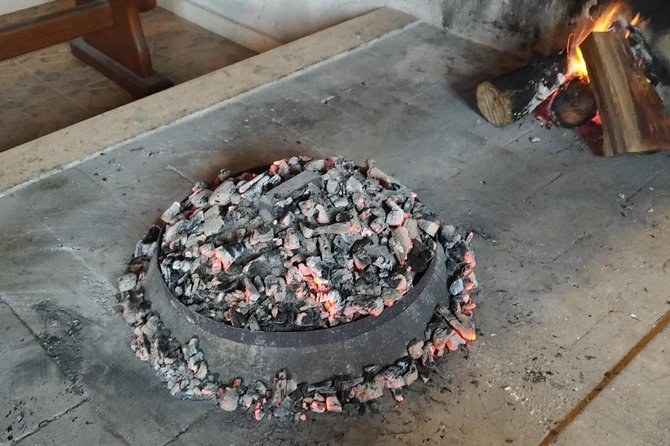
- Real peka cooking technique using a dome over coals (or a stone slab)
- Homemade wine with lunch, plus extra homemade touches you may get to taste
- Small, private group (max 8), good for questions and a relaxed pace
- Village setting in Mokošica, with scenery and local stories on the way
Dubrovnik to Mokošica: Why the Drive Matters
This experience starts in Dubrovnik, with pickup arranged so you do not have to wrangle local transport. The scheduled start time is 9:00 am, and the peka cooking class portion lines up with the lunch window that runs from 01.04.2026 to 30.10.2026. If you are the type who likes a trip that feels like it has a beginning, a middle, and then lunch, this one works.
The ride itself is part of the value. You are headed out of the city and into the hills toward the village of Mokošica. That shift sets the tone. Even if you only catch bits of the countryside between stops, you will feel like you are leaving Dubrovnik and stepping into the place where this style of food actually lives.
Also, the group size is small. A maximum of 8 people per booking means you get time to ask questions, and you are not stuck watching from the back of a crowd.
Meet Florio and Settle In at OPG Vukojević
The cooking lesson takes place at OPG Vukojević in the village of Mokošica. That matters because it is not a demo kitchen. This is a home-based setting, run by Florio za turizam i turisticka agencija d.o.o, with his family helping out.
In practice, you should expect a relaxed start. The point is to get you comfortable with the setup and the ingredients before anything heavy hits the coals. One review-style detail that comes through clearly is Florio’s approach: he makes a lot himself, and he talks in a straightforward, no-fuss way about the food, the tools, and Croatia as a daily life.
If you care about authenticity, look for signs like this: you are learning peka from someone who treats it as normal work, not a performance. That is why people leave saying it felt more like a visit than a tour.
Some other walled-city days to weigh
- Traditional Cooking Class in Dubrovnik Countryside
★ 5.0 · 168 reviews - Traditional Dalmatian Cooking Class from Dubrovnik
★ 5.0 · 49 reviews - Authentic Garden to Table Cooking Class in Dubrovnik Countryside
★ 5.0 · 17 reviews - Dubrovnik: Private Cooking Experience with Wine Tasting
★ 5.0 · 3 reviews
What Is Peka, Really? The Dome Oven Explained
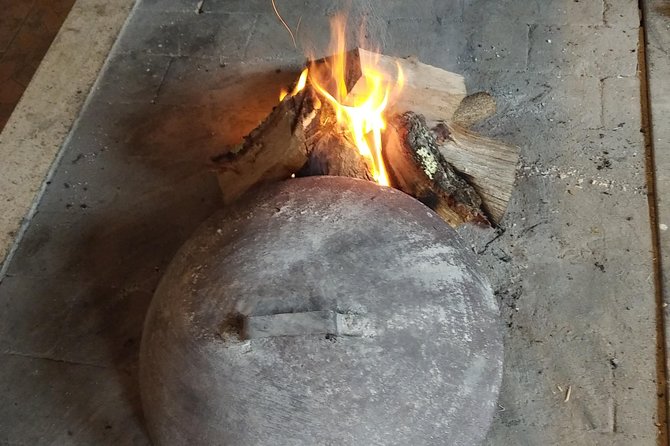
Peka is named for the bell-like dome that covers the food while it cooks. Think of it as a cloche for a whole meal. The dome can be metal or cast iron, but connoisseurs often prefer earthenware because of how it holds heat.
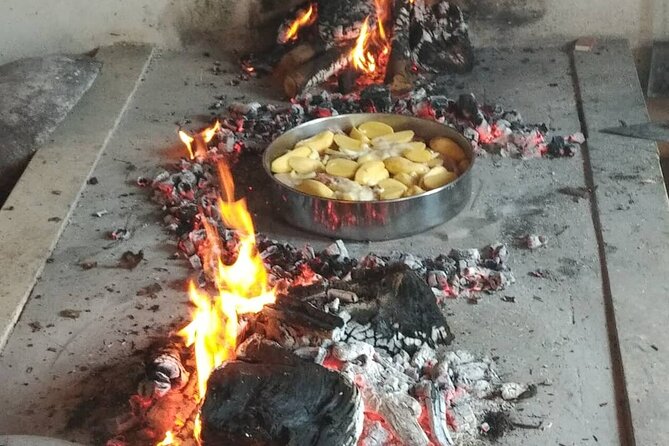
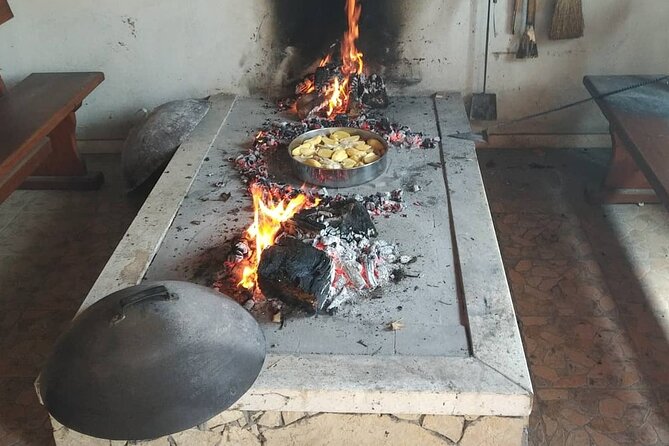
Here’s the key idea for you as a cook and a diner: peka is not just “meat and vegetables.” It is a method. The food goes underneath that dome in a fireproof pot with coals below, or sometimes directly on a stone slab, while the lid traps heat and steams flavor into everything.
And yes, it can sound simple on paper. That is also why this lesson is interesting. The skill is timing, heat control, and packing the right mix of ingredients so everything finishes together.
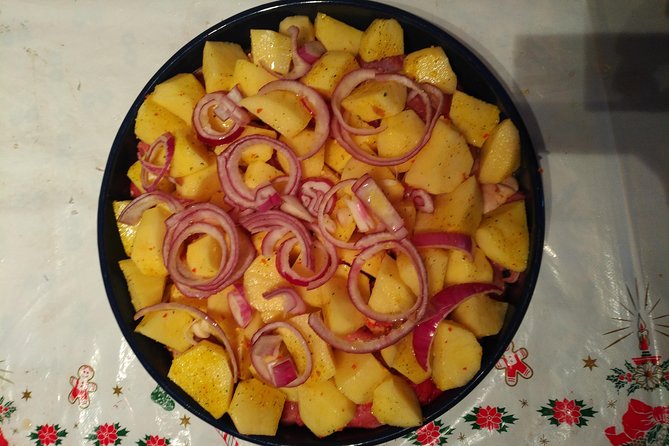
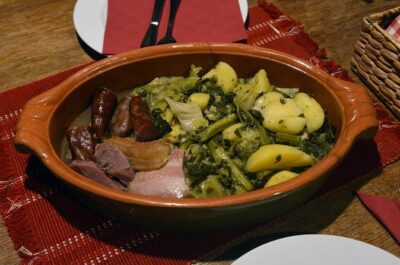
Usually, peka leans into hearty meat like veal, lamb, or yearling beef, often with potatoes and other vegetables. In your case, the exact menu may vary, but the core method stays the same: a covered, slow cook that turns a pile of ingredients into one cohesive plate.
The Cooking Lesson Flow: From Prep to the Final Lid
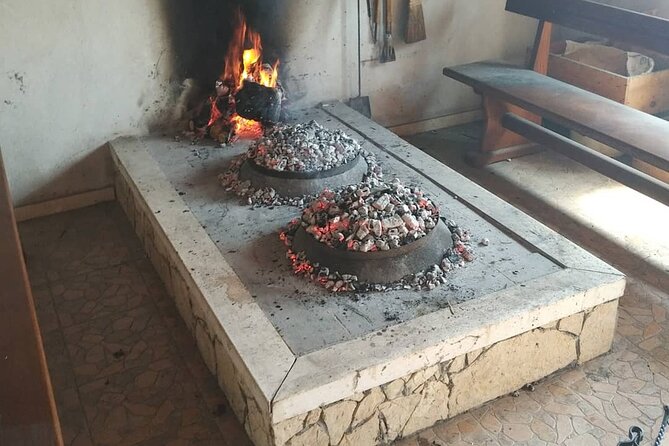
You should expect a demo and a guided explanation that walks you through each stage. Peka takes planning. You cannot rush it like grilling. You build the meal, place it for controlled heat, then let the dome do its work.
During the class portion, you watch how the host sets up the cooking environment. You will hear about the dome, the fire, and the cookware choices. If you are visually oriented, this part helps a lot, because you can connect the “why” to what you are seeing.
Then comes the best part: the food finishes under that dome. When the lid lifts, you get the payoff moment. It is the moment you realize why locals love this style of cooking. The meat comes out tender, and the vegetables taste like they have absorbed the heat in the right way, not just boiled or roasted.
One practical tip: peka is an all-senses experience, so go in ready to smell smoke and hot-stone warmth without worrying too much about “keeping things neat.” This is cooking over coals, not a classroom simulation.
What You Eat and Drink, and Why It Feels Like Lunch, Not a Snack
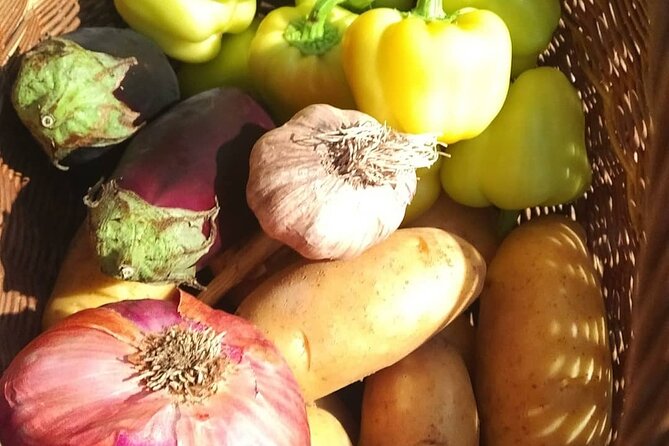
Lunch is included, and homemade wine is included too. Because the tour is described as flexible about when you eat, you can pick a lunch time that fits during the available lunch window for the dates listed. If you want a full meal experience, this is set up for it.
Before the main peka is ready, you are served homemade items while the cooking is underway. Based on what I’ve seen in this kind of format, and what comes through in the experience details, expect a table of simple but local basics. In this case, that can include homemade bread, cheese, and olive oil, served while the dish cooks. People also mention homemade prosciutto from Florio’s side of things, so you may find extra cured specialties in the mix.
Then you sit down for the peka itself. The dish is designed for sharing, but it is just as satisfying for one person who wants an honest, hearty lunch. If you enjoy meat-and-veg comfort food, this hits the sweet spot.
About wine: homemade wine is part of what you get, and the host is the one who brings it. That changes the experience. It is not “here is a glass, good luck.” It is more like you are part of a food story where wine belongs on the table.
Vegetarian Option: How to Think About It
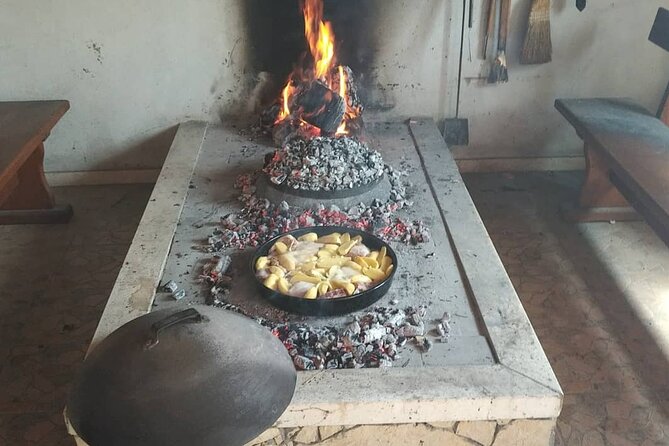
You can request a vegetarian option if you advise at booking. That’s a big deal, because peka is traditionally meat-forward, especially with veal, lamb, or yearling beef.
What you should do, practically: when you book, mention that you want the vegetarian version. Beyond that, go in with the right mindset. You are still there for the peka method and the dome-oven cooking. The vegetables and sides will likely be the focus even if the exact mix differs from the classic meat-centered meal.
Other ways the same afternoon could go from Dubrovnik:
- Blue Cave Small-Group Boat Tour from Dubrovnik★ 5.0 · 9,360 reviews
- Full-Day Dubrovnik Elaphite Islands Cruise with Lunch and Drinks★ 5.0 · 8,823 reviews
- Dubrovnik: Epic Game of Thrones Tour + Lokrum & Saver Option★ 4.9 · 5,995 reviews
- Dubrovnik: Elaphiti Islands Full-Day Cruise with Lunch★ 5.0 · 5,938 reviews
- Dubrovnik: Old Town Walking Tour★ 4.8 · 5,174 reviews
The Converted-Station Detail and Local Stories on the Way
One of the most memorable add-ons here is the “in-between” moments. On the route and/or at the broader stop setting, you may pass areas tied to the region’s wartime history. Some experiences include stories about bunkers left over from the conflict era, told in a personal, human way rather than a textbook way.
There is also a mention of a restaurant setting that is a converted railway station. If you encounter that kind of stop in your day, treat it like a bonus layer: you get more than just the cooking, you get a sense of how older structures get reused locally.
This is not a museum day, but it is one of those experiences where you leave understanding a bit more context than you expected.
Price and Value: Is $162.47 Worth It?
Let’s be real. $162.47 per person is steep for Dubrovnik. If you only want a meal, you can find cheaper. So the question becomes: what are you buying besides lunch?
In your case, you are buying several things that add up:
- A small group, max 8, with a private feel
- A true cooking lesson centered on the peka dome method
- Lunch that is included, not just a bite
- Homemade wine included
- Pickup and drop-off that removes transportation stress
- A host who actually teaches and shares, not just feeds
The reviews and experience details repeatedly point to the same thing: hospitality and authenticity. That is hard to put into a price calculator, but it is often what you remember most.
So if you are a foodie who wants a hands-on, local approach rather than a scripted tasting menu, this price can make sense. If you are price-sensitive and mainly want food, you might prefer a different Dubrovnik dining option.
Who This Is Best For (and Who Might Skip It)
This tour is a great fit if you:
- Care about learning how a traditional method works, not just eating the result
- Want a small-group, personal guide experience with real local hosting
- Like hearty regional food and you are open to smoke-and-heat cooking styles
- Are planning your Dubrovnik trip around food experiences that feel grounded
It is not the best fit if:
- You want a large-scale, production-style cooking class with a big kitchen and lots of equipment
- You are very cautious around coals, heat sources, and rustic cooking environments
- You need a low-cost option for lunch
Also, minimum age is 18. So this one is adult-focused.
Practical Tips Before You Go
Here are the small things that will make your day smoother:
- Wear comfortable shoes, the village setting involves paths and uneven surfaces you might not expect
- Dress for outdoor cooking conditions since peka happens over fire and coals
- Plan to ask questions. With a group this size, you will actually get answers
- If you want vegetarian peka, request it at booking so the host can plan accordingly
- Bring your appetite and hydration sense, peka is filling and the wine is part of the meal
If you are the kind of person who loves learning how food is grown and prepared, this experience has that angle too. You will likely hear a lot while you eat and while the dome is working.
Should You Book the Croatian Peka Cooking Lesson in Mokošica?
Book it if you want an authentic Dubrovnik-area food experience with a real cooking method and a host who treats the day like hosting, not entertainment. The best part is the peka dome process itself, plus the meal that comes from it, anchored by homemade wine and a small-group setup.
Skip it if price is your main limiter or if you only want a quick lunch without a cooking lesson. At this cost, it is built for people who care about process, not just the final plate.
If you are a foodie heading to Dubrovnik and you want one experience that feels like you went beyond the city, this is a strong choice.
FAQ
How long is the peka cooking lesson?
It lasts about 4 hours (approx.).
What time does the experience start?
The start time is 9:00 am. The lunch time can be for the cooking class starting 09:30 am.
Where does the cooking lesson take place?
The program is offered in OPG Vukojević in the village of Mokošica, Croatia.
Is it private, and how many people are in a booking?
Yes, it is private, and only your group participates. There is a maximum of 8 people per booking.
Is the tour offered in English?
Yes, it is offered in English.
Is lunch included, and what about drinks?
Lunch is included. Homemade wine is included as well.
Can I request a vegetarian option?
Yes. A vegetarian option is available, and you should advise at the time of booking.
What are the minimum age requirements?
The minimum age is 18 years.
Can I get a refund if I cancel?
No. The experience is non-refundable and cannot be changed for any reason.
New around Dubrovnik
Cooking Classes, compared.
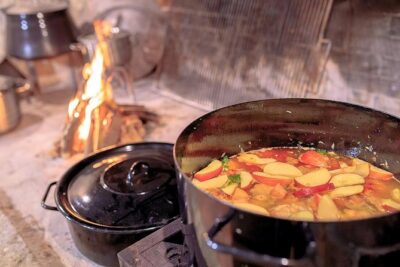
Traditional Cooking Class in Dubrovnik Countryside
Read our review →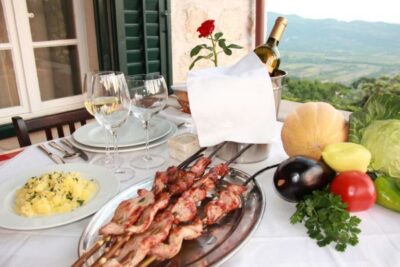
Traditional Dalmatian Cooking Class from Dubrovnik
Read our review →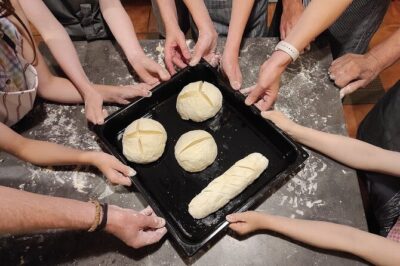
Authentic Garden to Table Cooking Class in Dubrovnik Countryside
Read our review →
Cooking Classes Traditional Meals of Konavle region
Read our review →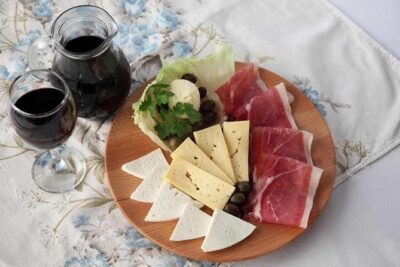
Rural Side of Dubrovnik: Cooking Class in Local Household
Read our review →Browse the lists this tour appears in