
Reviewed · COOKING CLASSES
Authentic Garden to Table Cooking Class in Dubrovnik Countryside
Fresh bread and a working family farm. In the Konavle countryside outside Dubrovnik, this cooking class turns you from visitor to helper. I love the hands-on bread step, and I especially love the seasonal garden-to-table focus. One thing to consider, if you want a polished, city-style “show,” this is more rural and hands-on than theatrical.
The day runs about 5 hours, with English-led instruction and a max group size of 8. Pickup is offered, and the meal ends with homemade red or white wine, plus a dessert. You’ll also want to mentally prep for garden walking and farm smells, and you might even get goat milking if your dessert includes milk.
In This Review
- Key highlights you should know
- Getting to Kameni Dvori in Konavle, then stepping into a family homestead
- Kneading traditional bread, then letting it do its work
- The garden harvest walk, where the ingredients actually matter
- Cooking together: from skewers and stew to homemade pasta
- A possible goat moment, if your dessert includes milk
- Dinner conversation: the 500-year family tree stories
- The meal and wine tasting, plus how to get the most out of it
- Dietary needs are handled, but you should communicate early
- Price, timing, and what you are really paying for
- Who this cooking class suits best, and who might want another option
- Should you book this Dubrovnik countryside cooking class?
- FAQ
- How much does the Dubrovnik countryside cooking class cost?
- How long is the cooking class?
- Where does the cooking class start, and where does it end?
- Is pickup offered from Dubrovnik?
- What language is the class taught in?
- How big is the group?
- Can vegan, vegetarian, or gluten-free meals be accommodated?
- Are service animals allowed?
- Is a mobile ticket provided?
- What is the cancellation policy for a full refund?
Key highlights you should know
- You knead your own traditional bread, not just watch it happen
- You gather ingredients in the garden, including fresh eggs and seasonal produce
- The cooking is hands-on, with dishes that match what’s growing
- You get a family history lesson at dinner, with stories tied to the property’s long roots
- Finish with homemade wine and dessert, all part of the experience meal
Getting to Kameni Dvori in Konavle, then stepping into a family homestead
This class starts at Kameni Dvori – Holiday Village Konavle, at Lovorno 11 in Gruda. If you book with pickup, you’re transferred by vehicle, and the car displays the sign Cooking class. In other words, you’re not left guessing where to go, and you can relax from the moment you leave Dubrovnik.
When you arrive, you’ll be welcomed and offered a drink. Then the host lays out what the class will focus on that day. The menu is not fixed like an assembly line. It depends on the season and what the homestead and nearby local family farm can provide. For me, that is the point. You’re learning how Mediterranean cooking works when the ingredients are truly in season, not when they are shipped in and staged.
This is also one of those experiences where group size matters. With a maximum of 8 travelers, you’re more likely to get real help and clear instructions, rather than being pushed around like an extra in a big group tour. It is a small table, and it feels personal.
Kneading traditional bread, then letting it do its work
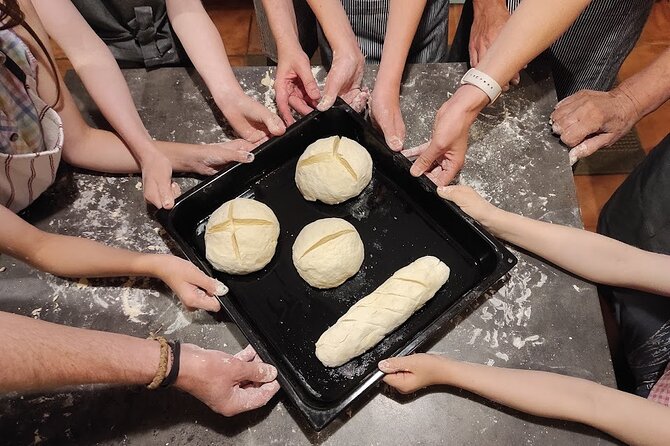
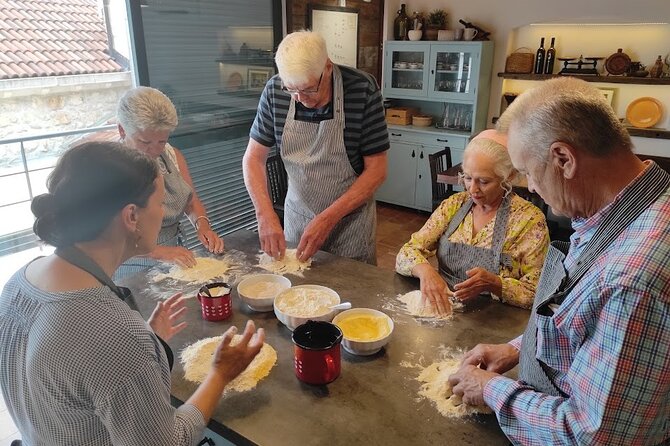
The first cooking task is making homemade bread using a traditional recipe. Everyone kneads their own dough, so it’s not “hands-on” in a token way. You’ll feel the texture change, and you’ll see how much effort goes into something that’s so basic to Croatian and Mediterranean life.
Then you’ll have some time to shift gears. In the process, bread-making becomes a timing lesson. Dough needs time to proof, and that timing connects to the rest of the day. It also gives your hands a break while you move outdoors for the garden portion.
If you like bread, this is a highlight. If you do not, it is still useful because it teaches the method behind the meal. In farm cooking, bread is not just a side. It’s a tool for eating, soaking up juices, and turning simple ingredients into a full plate.
Some other walled-city days to weigh
- Traditional Cooking Class in Dubrovnik Countryside
★ 5.0 · 168 reviews - Traditional Dalmatian Cooking Class from Dubrovnik
★ 5.0 · 49 reviews - Croatian Traditional Cuisine: Peka Cooking Lesson
★ 5.0 · 10 reviews - Dubrovnik: Private Cooking Experience with Wine Tasting
★ 5.0 · 3 reviews
The garden harvest walk, where the ingredients actually matter
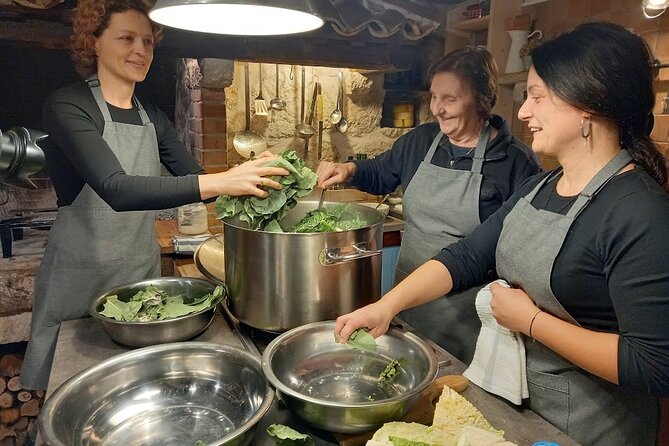
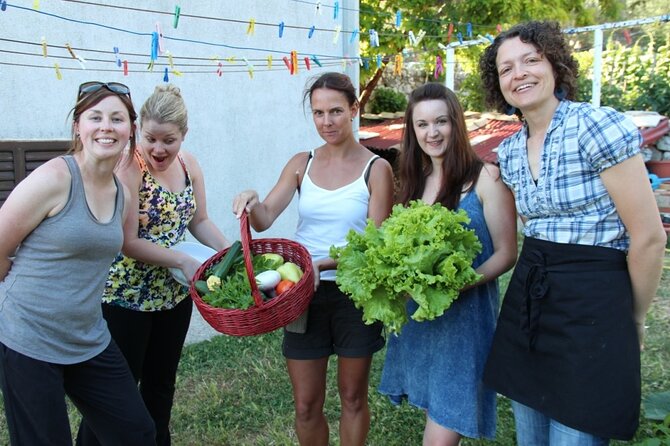
After the bread step, you head to the garden. Here, the host shares how their cultivation works, then you collect the ingredients you’ll use in the kitchen later. Expect to gather seasonal vegetables and fruit, and you’ll also pick up fresh eggs.
This is one of the best value parts of the day, because it turns “food” into choices you can see. When you’ve just pulled an ingredient from a garden bed, you understand why garlic tastes different in a different month, and why an olive oil pour is part of the flavor structure, not just the finishing touch.
The garden walk is also where rural Konavle becomes real. This is not a museum demonstration. It’s a working property with fruit trees and vegetable beds. The family roots show up in small details too, like how everything is organized around what grows here and when.
Practical note: plan for uneven ground and outdoor time. You’ll enjoy it more if you dress for farm walking.
Cooking together: from skewers and stew to homemade pasta
Back in the kitchen, you’ll start turning your harvest into a proper lunch or dinner. The exact dishes can vary by season, but the class focuses on Croatian home-style cooking, with an emphasis on simple techniques and strong ingredients.
A sample menu for the experience includes:
- Starter: cured meat and homemade cheese, served with warm bread, pickled vegetables, spreads, and homemade olive oil
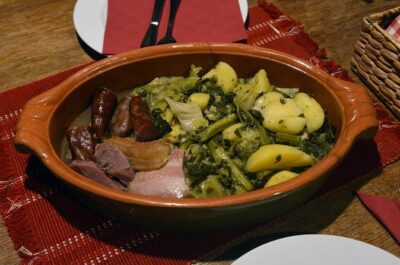
- Main: Lovorno skewer, pork meat cooked on bay leaf branches, served with country-style potatoes, boiled vegetables seasoned with homemade olive oil, and a seasonal salad
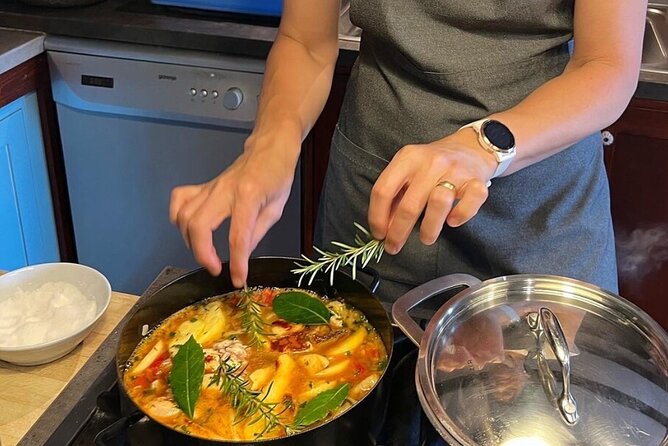
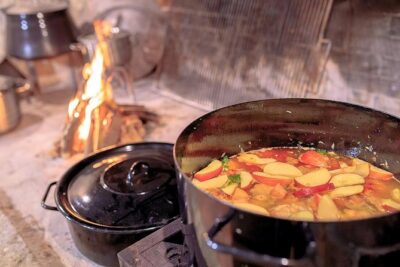
- Main: farm-grown chicken stew, made with fresh vegetables and fruits, cooked with wine, served with homemade pasta
- Dessert: Grandma’s cake
What I like about this setup is that you’re not just repeating one dish. You get a broad view of how a Croatian meal can be built. There’s something salty and savory in the starter, something earthy and smoky in the skewer, something cozy and wine-simmered in the stew, then something sweet for dessert.
In at least some sessions, you may also end up helping with items beyond the sample lineup, like vegetable soup and homemade pasta. That flexibility is part of the garden-to-table rhythm. When ingredients change, the cooking plan changes too.
A possible goat moment, if your dessert includes milk
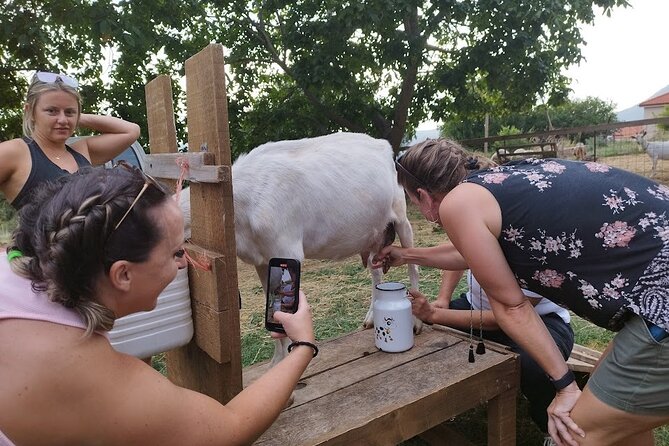
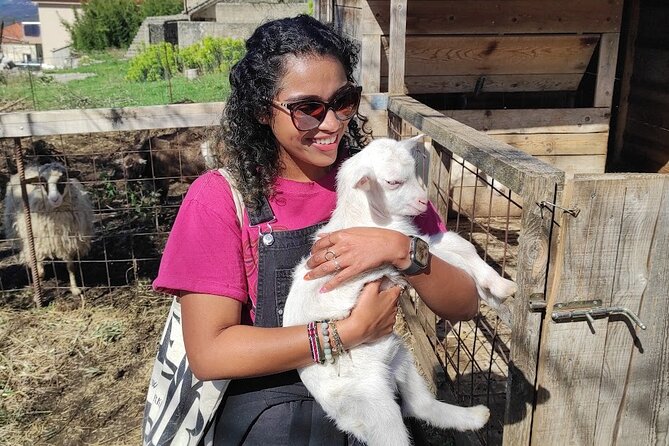
If the dessert includes milk, the host offers the experience of milking a goat. That’s not a gimmick in a marketing sense. It fits the idea that the homestead supplies more than vegetables. If you’re not into animal handling, you’ll still be able to observe. But it’s smart to be aware up front that this is a working farm environment, not a studio kitchen.
Dinner conversation: the 500-year family tree stories
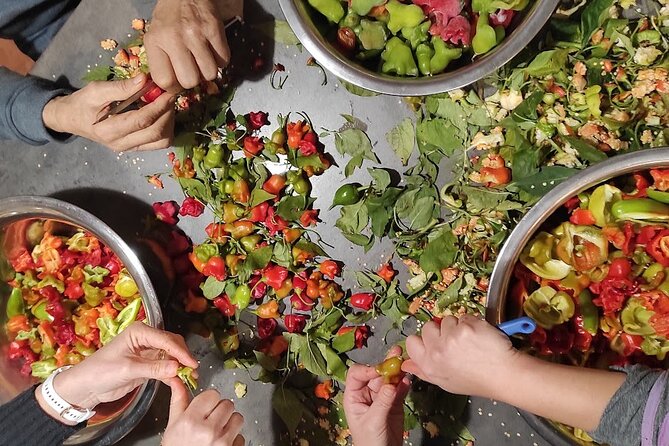
While food cooks, hosts share family stories, including 500-year family tree history. This is where the class turns from cooking lesson into cultural experience.
You’ll hear how the property has stayed in the family across generations, and how the family ties are woven into the food. In the way I’d sum it up, dinner becomes the “why” behind the cooking. It’s also where names like Ivo and Katarina come up in conversation, because the hosts and their family members are the ones guiding you through the day.
The stories include long-term perspective. Instead of thinking about Croatian cuisine as recipes on paper, you see it as knowledge passed down because it worked. When the class ends and you’re tasting your own cooking with wine, that context sticks.
Other ways the same afternoon could go from Dubrovnik:
- Blue Cave Small-Group Boat Tour from Dubrovnik★ 5.0 · 9,360 reviews
- Full-Day Dubrovnik Elaphite Islands Cruise with Lunch and Drinks★ 5.0 · 8,823 reviews
- Dubrovnik: Epic Game of Thrones Tour + Lokrum & Saver Option★ 4.9 · 5,995 reviews
- Dubrovnik: Elaphiti Islands Full-Day Cruise with Lunch★ 5.0 · 5,938 reviews
- Dubrovnik: Old Town Walking Tour★ 4.8 · 5,174 reviews
The meal and wine tasting, plus how to get the most out of it
At the end, the meal is ready for tasting, paired with homemade red or white wine. That matters for value. You’re paying for a full experience meal, not just a cooking session where you then eat separately.
Dessert is Grandma’s cake in the sample menu. If dairy is part of the dessert, you might have had that earlier goat milking moment. Either way, the sweet finish is part of why this class feels complete.
Dietary needs are handled, but you should communicate early
This experience offers vegan and vegetarian meals, and gluten-free meals are available. It also says flexible dietary restrictions can be accommodated. That’s excellent news, because cooking classes can be tricky if you eat differently.
Still, to get the best result, tell them your needs when you book. You want the kitchen to plan around your ingredients and your meal structure, not scramble at the last minute.
Price, timing, and what you are really paying for
The price is $208 per person, and the duration is about 5 hours. On paper, that can feel like a lot for “just cooking.” Here’s what makes it harder to compare to a basic workshop.
You’re paying for:
- A small group experience that keeps the day personal
- Hands-on tasks like kneading bread and harvesting ingredients
- A real farm-to-table meal, built from seasonal produce and homestead or local farm products
- Homemade wine included with the meal
- Cultural context through the family history stories
The best value is for travelers who want a break from city sightseeing and want to experience rural Konavle in a way that doesn’t feel staged. If you love food, the garden walk plus cooking plus tasting is a full sensory loop.
One timing note: the class is approximately 5 hours. That’s a half-day block. Plan your rest of the day accordingly, especially if you’re pairing it with Dubrovnik old town walking earlier. This class is also most enjoyable when you show up with a relaxed attitude. It’s a working homestead schedule, not a tight showtime itinerary.
Also, it’s booked far in advance on average, around 132 days. If this is high on your list, book early rather than gambling on last-minute availability.
Who this cooking class suits best, and who might want another option
This fits best if you:
- Want authentic Croatian home cooking built around seasonal ingredients
- Enjoy hands-on food work, from bread dough to assembling dishes
- Like meeting real families and hearing local history in a personal setting
- Want a small-group day outside Dubrovnik crowds
You might think twice if you:
- Prefer an indoor, polished workshop with minimal farm activity
- Are uncomfortable with the idea that a farm day may include animal handling, like goat milking, depending on your dessert
- Have very limited mobility and cannot handle outdoor walking and garden terrain
If you’re somewhere in the middle, still consider it. The hosts manage the pace, and the group size helps.
Should you book this Dubrovnik countryside cooking class?
Yes, I’d book it if your travel style includes food that has a story behind it, and you want more than tasting. The combination of bread-making, a garden harvest, and a shared meal with homemade wine makes it feel like a full day on the homestead, not a quick activity.
I would only skip it if you want a strictly urban experience, or if farm walking and hands-on cooking would stress you out more than it would make you happy. For most people who love authentic cuisine and small-group learning, this is one of the more meaningful half-days you can add to a Dubrovnik trip.
FAQ
How much does the Dubrovnik countryside cooking class cost?
It costs $208.00 per person.
How long is the cooking class?
The duration is about 5 hours.
Where does the cooking class start, and where does it end?
It starts at Kameni Dvori – Holiday Village Konavle, Lovorno 11, 20215, Gruda, Croatia, and it ends back at the same meeting point.
Is pickup offered from Dubrovnik?
Pickup is offered. The provider provides transfers with vehicles that display the sign Cooking class.
What language is the class taught in?
The class is offered in English.
How big is the group?
The tour/activity has a maximum of 8 travelers.
Can vegan, vegetarian, or gluten-free meals be accommodated?
Yes. Vegan and vegetarian meals are available, and gluten-free meals are also available. The provider can accommodate flexible dietary restrictions.
Are service animals allowed?
Yes, service animals are allowed.
Is a mobile ticket provided?
Yes, a mobile ticket is provided.
What is the cancellation policy for a full refund?
You can cancel for a full refund if you cancel up to 24 hours in advance of the experience start time. If you cancel less than 24 hours before, the amount paid is not refunded.
New around Dubrovnik

Cooking Classes, compared.
Traditional Cooking Class in Dubrovnik Countryside
Read our review →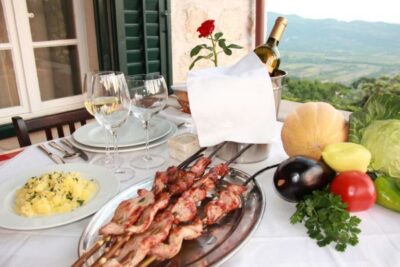
Traditional Dalmatian Cooking Class from Dubrovnik
Read our review →
Croatian Traditional Cuisine: Peka Cooking Lesson
Read our review →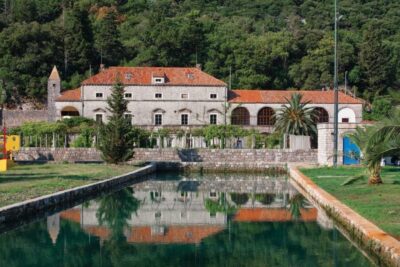
Cooking Classes Traditional Meals of Konavle region
Read our review →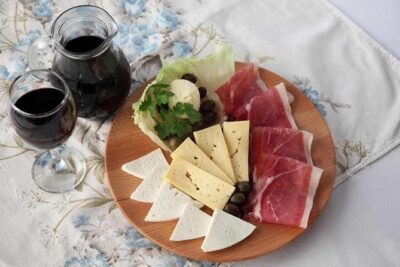
Rural Side of Dubrovnik: Cooking Class in Local Household
Read our review →Browse the lists this tour appears in