
Reviewed · WALKING TOURS
A walk through life in communist Yugoslavia
A small museum can hit hard. In Dubrovnik’s Red History Museum, you get an interactive, room-by-room look at life in communist Yugoslavia, not just slogans. I especially love the time-capsule-like room sets and the way the exhibits turn daily life into something you can actually picture. The one catch: the last years of the system’s breakdown feel less developed than the earlier story arcs.
You’ll be walking through a curated sequence of 20th-century details, from politics and design to the everyday objects people used while living under party control. I like that it is compact and quirky, so you can finish without feeling like you got dragged through a giant history hall. If you want a super long, chapter-by-chapter ending for the final collapse, you may wish it spent a bit more time there.
In This Review
- Key things I think you should know before you go
- Red History Museum in Dubrovnik: what the experience feels like
- Prebooked tickets and mobile access: saving time in real Dubrovnik hours
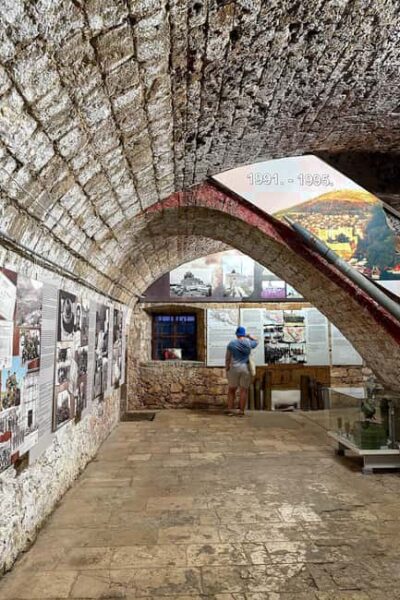
- Inside the museum: interactive rooms that turn politics into daily life
- Art, design, and “everyday stuff” as political evidence
- Secret police and totalitarian control: what you can expect to learn
- The Non-Aligned angle: Yugoslavia’s balancing act
- “Greatest hits” audio and story pacing that keeps things moving
- Duration, pace, and how to plan your time in Dubrovnik
- Price and value: is $211 reasonable?
- Who this museum suits best, and who might skip
- Practical details that can affect your visit
- Should you book the Red History Museum ticket?
- FAQ
- How long is the Red History Museum experience?
- Where does the experience take place in Dubrovnik?
- Is the admission ticket included in the price?
- What do I get with my ticket?
- Do I need to purchase a ticket on site?
- When do I receive booking confirmation?
- Is the experience suitable for most travelers?
- Are service animals allowed?
- What is the cancellation policy?
Key things I think you should know before you go
- Prebooked entry on your chosen day, so you are not waiting at a ticket counter
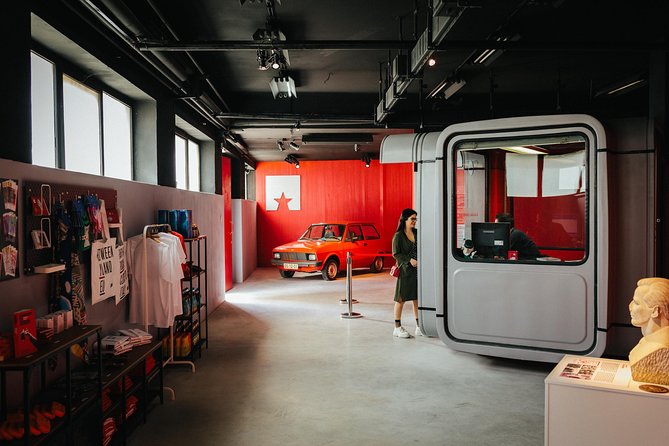
- Interactive exhibits in a 300 square meter space, mixing older and newer tech
- Room sets that recreate everyday life, so the era feels practical, not abstract
- Focus on secret police, politics, and the Non-Aligned movement
- A clear start-to-finish communist timeline, tied to real artifacts and lived experience
Red History Museum in Dubrovnik: what the experience feels like
This is not the kind of museum where you just read plaques and move on. It is built like a guided walk through a living memory of Yugoslav communism, with environments and objects that make you slow down. You are in Dubrovnik, but the story is very much about how this part of the region experienced the communist period, including how the party’s reach shaped ordinary routines.
The museum’s format matters for your time. It sits in about 300 square meters, so the pace is intense in a good way. Most visits run roughly 50 minutes to 1 hour 35 minutes depending on how much you pause. That means it can fit cleanly into a day of sightseeing, rather than swallowing half of your trip.
And because entry is prebooked, you can usually avoid the annoying part of travel: lining up for a simple ticket. That is a real value point in places where you may already be navigating crowds.
Prebooked tickets and mobile access: saving time in real Dubrovnik hours
Dubrovnik can be busy, and museums can get slower when people stack at the front desk. This ticket experience is designed to remove that friction. You secure your admission in advance, and you go with a mobile ticket rather than standing around. In practical terms, that means you spend more of your day inside the museum and less time making small talk with the line.
I also like how the experience is scheduled around your chosen day, not some vague window. You do not have to gamble on when you might get in. You pick a day, show up, and the museum does the rest.
One more detail that affects your plan: the group size is capped at up to 200 travelers. That is not tiny, but it does suggest the museum is designed for controlled entry, not chaos.
More of the old city crossed on foot:
- Dubrovnik: Old Town Walking Tour
★ 4.8 · 5,174 reviews - Dubrovnik Discovery Old Town Walking Tour
★ 5.0 · 4,458 reviews - Dubrovnik: Game of Thrones Walking Tour
★ 5.0 · 1,732 reviews - Dubrovnik Old Town History Walking Tour
★ 5.0 · 1,684 reviews
Inside the museum: interactive rooms that turn politics into daily life
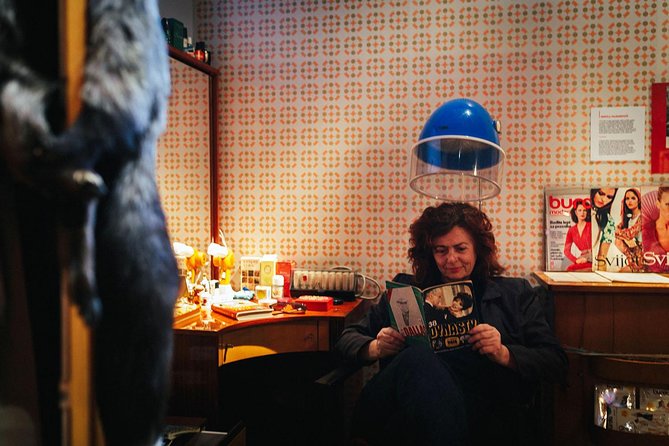
The Red History Museum is built around the idea that communist Yugoslavia was lived, not just studied. You move through interactive sections that combine new and old technologies, plus room sets that help you mentally place yourself in the period. It is basically a time-capsule concept, but with enough structure that you can follow the story without getting lost.
Here is what I like about this approach: it makes big themes feel concrete. Instead of communism only being an ideology lesson, it becomes objects, layouts, and routines. You get the chance to see how art and design sat alongside politics, and how daily living overlapped with surveillance and party influence.
Because the museum is interactive, you should expect more than static displays. Some areas work like experiences you participate in, and the layout is meant to keep you moving from one concept to the next. The result is that even if you arrive with only a vague sense of Yugoslavia’s communist era, you can still connect the dots.
Art, design, and “everyday stuff” as political evidence
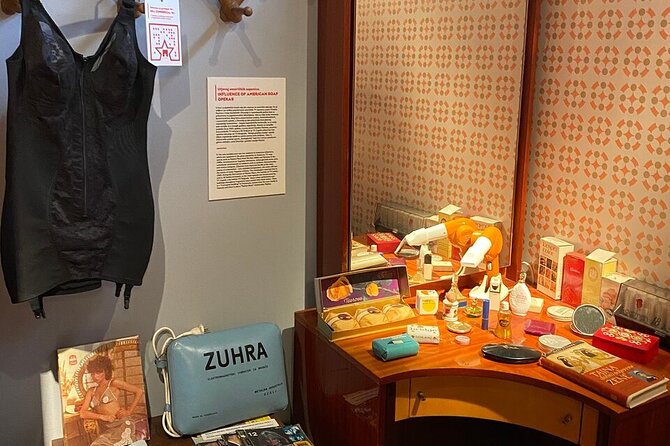
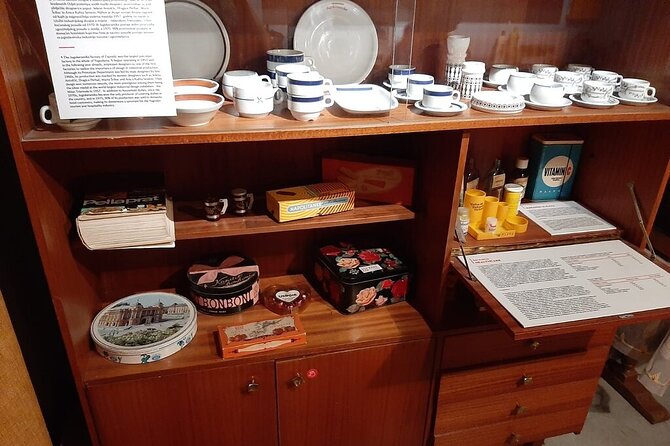
A lot of history museums treat ordinary life as background. This one treats ordinary life as evidence. You see period-appropriate elements tied to the culture of the time, including how aesthetics and design existed in the same system as political messaging.
This is also where the museum can be surprisingly useful for you as a traveler. Dubrovnik gives you architecture and ocean light. This museum gives you a different angle on the region’s 20th-century reality. It helps you understand that history is not only buildings and borders, it is also what people used at home and what they expected from public life.
The best part is that these details do not feel random. The museum uses them to point back to the political system and how it shaped everyday behavior.
Secret police and totalitarian control: what you can expect to learn
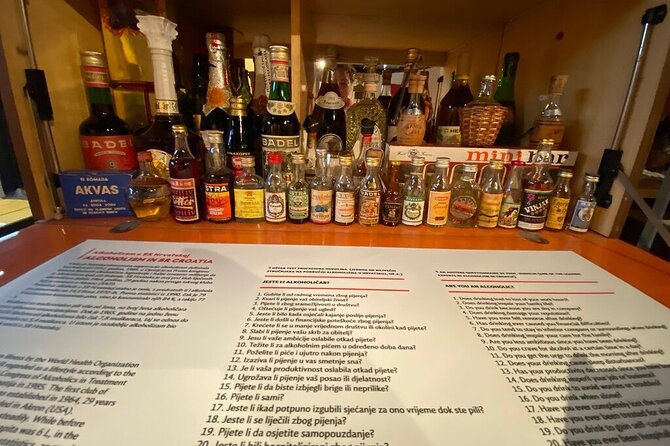
The museum takes a direct look at secret police and the machinery of totalitarian society. That is not the kind of topic you get to hold at arm’s length on a standard walking tour. Here, it becomes part of the narrative you experience as you go from room to room.
You learn about how the system operated and what it meant for people living under watchful conditions by the communist party. This is often the missing piece in short tourist overviews. You can read about communism anywhere, but here the museum tries to make you understand the lived pressure, not just the political theory.
If your interest is moral and historical, you will probably appreciate the museum’s choice to emphasize how control worked in practice. If you want only lightweight cultural history, this section may feel intense.
The Non-Aligned angle: Yugoslavia’s balancing act
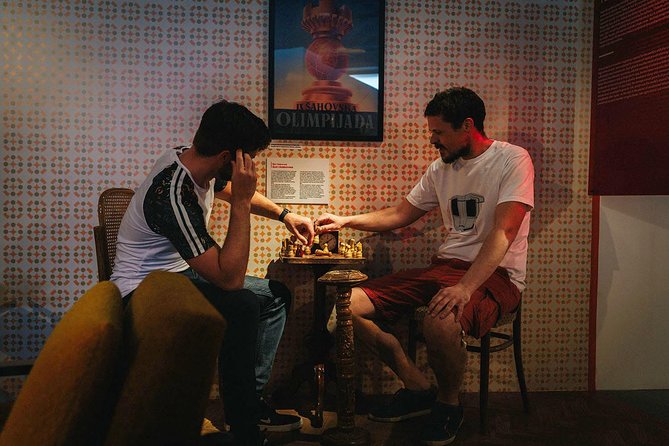
Not everything in communist Yugoslavia was a simple “follow one giant bloc” story. The museum highlights the Non-Aligned context, which helps explain how Yugoslavia positioned itself in the wider Cold War environment. You get a sense of what that meant politically, and how it influenced the country’s self-presentation.
Why you should care: if you only know Europe’s big Cold War map, the Non-Aligned thread gives you a more accurate picture of how Yugoslavia tried to navigate power. It also adds variety to the museum’s content, so it is not only about domestic control.
Other ways the same afternoon could go from Dubrovnik:
- Blue Cave Small-Group Boat Tour from Dubrovnik★ 5.0 · 9,360 reviews
- Full-Day Dubrovnik Elaphite Islands Cruise with Lunch and Drinks★ 5.0 · 8,823 reviews
- Dubrovnik: Epic Game of Thrones Tour + Lokrum & Saver Option★ 4.9 · 5,995 reviews
- Dubrovnik: Elaphiti Islands Full-Day Cruise with Lunch★ 5.0 · 5,938 reviews
- Dubrovnik: The Original Game of Thrones Tour & Lokrum Option★ 4.8 · 5,064 reviews
“Greatest hits” audio and story pacing that keeps things moving
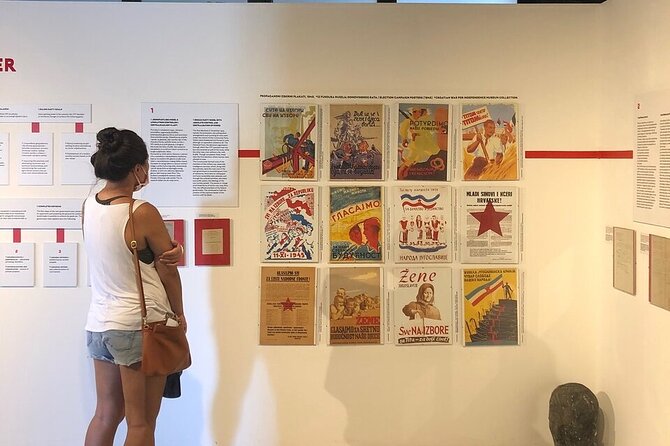
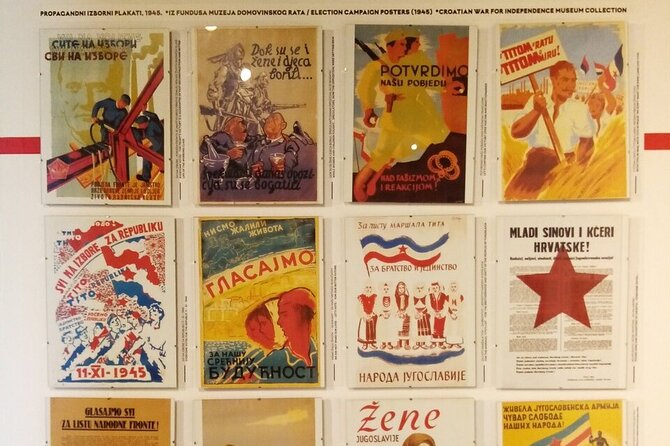
One of the more distinctive details is that you get a sense of the era through sound and presentation. The museum uses a combination of listening experiences and exhibits, including the idea of the period’s best-known cultural moments. It gives the timeline a pulse.
This matters because pacing is everything in a museum. Without it, interactive exhibits can feel like separate booths. With it, the experience feels like a continuous story.
That said, because the museum is relatively compact, you will want to pace yourself. If you rush, you might miss the connections between themes like politics, design, and everyday life.
Duration, pace, and how to plan your time in Dubrovnik
Your visit length depends on how you experience it. With a typical range of 50 minutes to about 1 hour 35 minutes, you can treat it as either:
- a focused stop if you like museums that move fast, or
- a slower stop if you read closely and try the interactive parts
Because the museum is the only main stop, your planning is simple. You start at Red History Museum, Ul. Svetog Križa 3, 20000 Dubrovnik, and the activity ends back there. No confusing transfers. No “maybe you get another stop.” It is just you and the exhibits.
I’d plan it as a single indoor anchor on a day when the sun is strong or you need a break from Dubrovnik’s outdoor walking. You are in and out with clear timing.
Price and value: is $211 reasonable?
The price is $211, and the most important value piece is the included admission ticket plus the practical benefit of prebooking. In other words, you are not paying for a long tour route. You are paying for access to an interactive museum experience that is designed around presentation, room sets, and guided narrative structure.
Whether it feels like a good value comes down to your interest level in the subject. If you want a quick stop to check off a museum box, the ticket cost may feel heavy. If you like museums that connect politics to daily objects and you want context you likely will not get from guidebook strolls, it starts to make more sense.
Also, the museum being small, quirky, and affordable shows up in how people describe the experience in general. In practice, that usually means you are not spending hours and hours, and you can still feel you got a meaningful, focused view of the communist era. If that style matches you, the money can feel justified.
Who this museum suits best, and who might skip
This is a strong fit if you:
- want a more human look at communist Yugoslavia, not just dates
- like interactive displays and room reconstructions
- enjoy learning about how control systems shaped daily life
- want a different kind of Dubrovnik stop than churches and walls
It may be less ideal if you:
- only want a broad overview and do not want intense political themes like secret police
- expect the story to spend equal time on every phase, especially the end of the system’s breakdown
Also, if you are sensitive to heavy historical topics, consider going in with some emotional preparation. This museum is not aiming for comfort.
Practical details that can affect your visit
A few small facts can make your day smoother. The ticket is mobile, and you get confirmation at the time of booking. Service animals are allowed, and it is near public transportation, which helps if you do not want to navigate Dubrovnik on foot the whole day.
The museum experience is designed so that most travelers can participate. With only indoor exhibits and no extra stops listed, it is usually an easy add-on compared to multi-transfer city tours.
The one operational detail to keep in mind is timing. Since you are prebooking entry for a chosen day, show up close to your planned time so you do not have to wait for the museum to cycle people in.
Should you book the Red History Museum ticket?
I would book this if you want a focused, interactive look at communist Yugoslavia that connects big politics to everyday life. The strongest reasons are the room sets and interactive format, plus the museum’s willingness to tackle secret police and totalitarian control directly, not indirectly.
You should think twice if your main goal is a super detailed ending of how the system fell apart. That part seems less emphasized than earlier material, so if you care most about the collapse timeline, temper expectations.
Overall, it is a smart Dubrovnik add-on when you want context that most walking tours will never touch.
FAQ
How long is the Red History Museum experience?
It typically lasts between 50 minutes and 1 hour 35 minutes.
Where does the experience take place in Dubrovnik?
The meeting point is Red History Museum, Ul. Svetog Križa 3, 20000, Dubrovnik, Croatia.
Is the admission ticket included in the price?
Yes. Admission to the Red History Museum is included.
What do I get with my ticket?
You receive a mobile ticket and prepaid admission for entry to the interactive Red History Museum.
Do I need to purchase a ticket on site?
No. You prebook your admission, which helps you avoid ticket-counter lines.
When do I receive booking confirmation?
You will receive confirmation at the time of booking.
Is the experience suitable for most travelers?
Most travelers can participate.
Are service animals allowed?
Yes, service animals are allowed.
What is the cancellation policy?
Free cancellation is available. You can cancel up to 24 hours in advance for a full refund. Cancellation within 24 hours of the experience start time is not refunded.
New around Dubrovnik


Walking Tours, compared.



City Walls Early Morning or Sunset Walking Tour
Read our review →

City Walls, Old Town Walking Tour & Adriatic View
Read our review →Browse the lists this tour appears in