
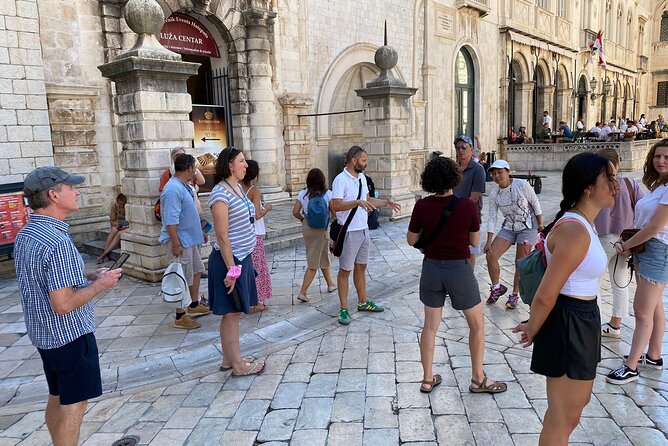
Reviewed · CITY WALLS TOURS
Private Fort Lovrijenac and Dubrovnik City Tour
Dubrovnik makes sense in two hours. This private tour links Fort Lovrijenac with the Old Town’s main sights, and the stories make the place feel less like a postcard and more like a real city. I like the Shakespeare-at-a-fortress angle at Lovrijenac, and I like how the walk through Stradun, Luža Square, and Rector’s Palace turns into one connected story about daily life and the Republic of Dubrovnik. One drawback to plan around: the Lovrijenac entrance fee is extra, and the tour needs good weather.
In practice, it is a tight 2-hour loop that starts near Brsalje ul. 9 and ends in front of the Church of St. Ignatius, right by the famous Baroque steps people talk about. You get an English-speaking local guide, and the private format means you can ask questions and move at a pace that fits your group. You also get a mobile ticket, which is a small thing, but it makes the start of the day feel easy.
In This Review
- Key things to know before you go
- Dubrovnik in a tight loop: what this 2-hour tour actually accomplishes
- Lovrijenac Fortress: Shakespeare, defense, and the extra €15 you should budget
- Stradun and Luža Square: the 200-meter street that organizes Dubrovnik
- Rector’s Palace: understanding the Republic of Dubrovnik in plain terms
- St. Ignatius of Loyola: ending in Dubrovnik’s Baroque zone and famous steps
- Price and planning: how to budget the real cost
- Who this tour suits best (and who might want another option)
- Should you book this Private Fort Lovrijenac and Dubrovnik City Tour?
- FAQ
- How long is the tour?
- What is included in the price?
- Is the Fort Lovrijenac entrance fee included?
- What stops are included during the tour?
- Where does the tour start and end?
- Is this a private tour?
- Is there an admission ticket needed for Lovrijenac?
- Do I receive a mobile ticket?
- Do I need good weather for this experience?
- Is free cancellation available?
Key things to know before you go
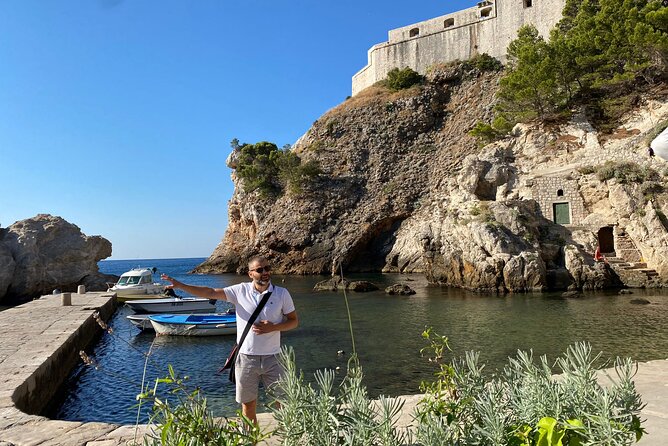
- Lovrijenac Fortress is separate from the city walls system, so you get a different defensive perspective of Dubrovnik.
- Stradun is the town’s main connector (about 200 meters), and it divides Dubrovnik into northern and southern areas.
- Luža Square is the city’s political-and-social meeting point, framed by landmarks like Sponza Palace and St. Blaise Church.
- Rector’s Palace is explained through how the Republic worked, including the rector’s election and duties.
- Your walk ends at St. Ignatius of Loyola, in Dubrovnik’s Baroque zone, with the well-known walk-of-shame stairs nearby.
- Private, English-speaking guidance is a big value win, especially if you like your history with real-life context and practical tips.
Dubrovnik in a tight loop: what this 2-hour tour actually accomplishes
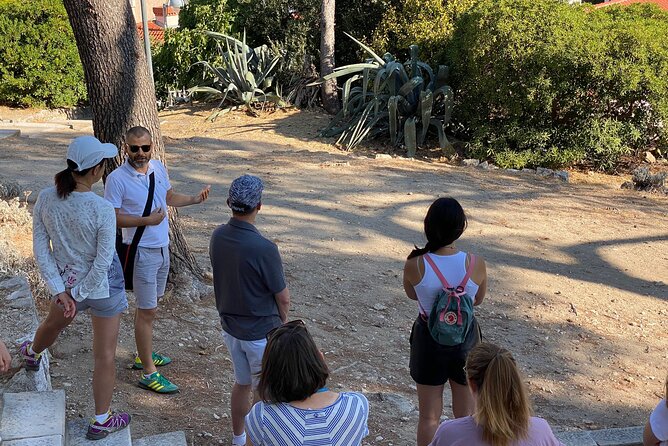
Dubrovnik can be overwhelming fast. The Old Town is compact, yes, but every corner feels important, and you can easily spend hours chasing the same top photos. This tour solves that problem by being short and focused. In about two hours, you hit the core places that help you understand how the city is organized, from fortress defense to street life to civic power.
I especially like the rhythm here. You start with a fortress that explains protection and presence, then you move down into the main spine of town on Stradun. After that you drop into the squares and political heart, and the tour ends at St. Ignatius, which naturally closes the loop with Dubrovnik’s Baroque identity.
Because it is private, the guide can pace things for your group. One of the best perks is also what you cannot get from a generic audio tour: the human questions. You can ask about what things mean, where you should go next, and how Dubrovnik works now, not just centuries ago. This is the kind of tour where the guide can point you toward practical next steps like what to eat, drink, and see while the rest of the day is still ahead of you.
The tour is also designed for an easy follow-on. After you finish, you typically have a mental map that makes wandering inside the walls feel more confident, not random.
Lovrijenac Fortress: Shakespeare, defense, and the extra €15 you should budget
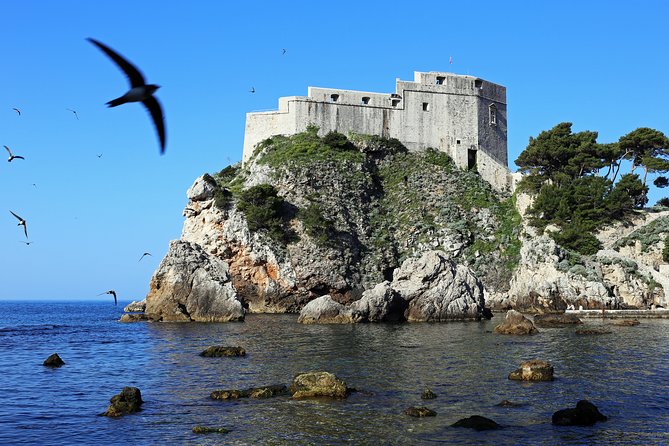
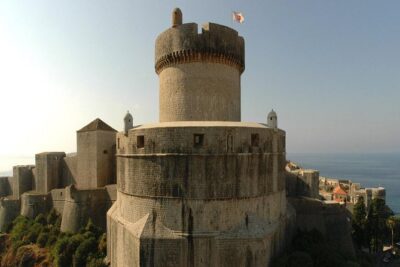
Lovrijenac Fortress is the first stop, and it is a smart choice. It is one of two fortresses in Dubrovnik that are not connected to the city walls system. That alone changes the story. Instead of seeing Dubrovnik as only a walled city, you see it as a place with layered defense and multiple strong points.
The big theme here is protection. The fortress was built to defend Dubrovnik from attacks, and even if you are not a military-history person, the physical setup helps you picture why it mattered. It also gives you a more dramatic reason to care about the setting than just admiring stonework.
Then comes the surprising twist: Lovrijenac is also described as one of the world’s famous open-air stages for Shakespeare. That matters because it shows how locations change roles. A place designed for defense can later become a stage for performance, and that contrast is exactly the kind of local storytelling a guide can make feel obvious, not forced.
Plan for one practical catch. The fort admission ticket is not included in the tour price, and you should expect an entrance fee of €15 per person. If you skip this, you will likely feel rushed or annoyed when you reach the gate. If you budget for it up front, this stop feels like a full, proper experience rather than a quick look.
Timing-wise, you have about 30 minutes here. That is enough to take in the fortress setting and hear the main stories without turning it into a half-day excavation.
Other ways around the walls:
- Dubrovnik: City Walls Early Morning or Sunset Walking Tour
★ 4.8 · 1,523 reviews - Dubrovnik: Ancient City Walls & Wars Walking Tour
★ 5.0 · 1,270 reviews - Dubrovnik Combo: Old Town & Ancient City Walls
★ 5.0 · 1,019 reviews - Dubrovnik: City Walls, Old Town Walking Tour & Adriatic View
★ 4.9 · 982 reviews
Stradun and Luža Square: the 200-meter street that organizes Dubrovnik
From the fortress you drop into Stradun, also called the Placa or main street. This is not just a scenic walkway. It is the city’s most important street for residents, and it is also the fastest connection between Ploče Gate and Pile Gate.
Why I think that detail matters: Stradun is your orientation tool. Once you understand that it acts like a connector between major gates and splits Dubrovnik into northern and southern parts, you stop getting turned around so easily. You start to see the Old Town as a system, not a maze.
The walk itself is short, about 200 meters, and the tour spends around 10 minutes here. That means you are not stuck in a long transit slog. Instead, you learn what Stradun is and why locals treat it like the city’s main corridor.
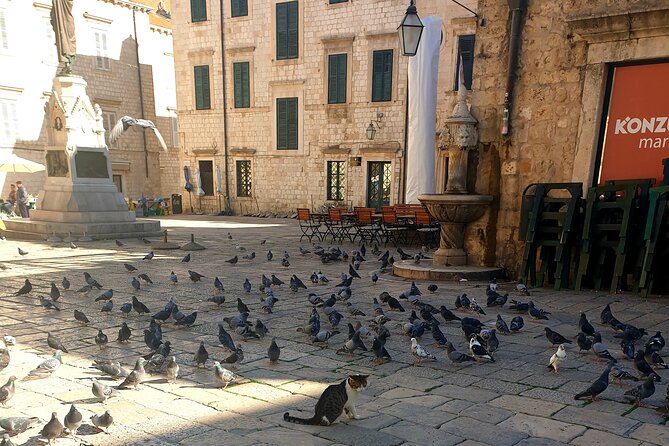
Then you move to Luža Square. If Stradun is the spine, Luža Square is the meeting point. It is described as Dubrovnik’s most important square, and it is where a lot of activity happens. You also get a key framing lesson: Luža Square sits near major landmarks, including Sponza Palace, the bell tower, and St. Blaise Church.
This stop is where the city starts to feel political as well as practical. Squares are where people gather, but they also show what a society values. In a short time, you can go from thinking of Dubrovnik as tourist scenery to seeing it as a place built around civic and public life.
One small consideration: these areas can be crowded in general, so the guide’s pacing helps you avoid the worst congestion while still hearing the stories.
Rector’s Palace: understanding the Republic of Dubrovnik in plain terms
Next up is Rector’s Palace. This is a stop for anyone who wants the story behind the stone, without needing to read a textbook.
The key point the tour focuses on is Dubrovnik’s political system when it was a Republic. You learn how long the rector was elected, what the rector’s obligations were, and what the executive political structure looked like. That kind of explanation is valuable because it gives you a framework for everything you are seeing.
It also changes how you look at the Old Town. After this, you are less likely to see buildings as random stops and more likely to connect them to civic roles. That is one of the reasons the tour is worth it even if you have seen photos before. The guide helps you attach meaning to what you are standing in front of.
You only have about 15 minutes at this stop, so the pace is not slow or detailed in a museum-way. But it is exactly the right length for an orientation visit. You get the central ideas, and you can carry them with you while you explore on your own after the tour.
If you are the type who loves asking why a city was organized a certain way, this is the moment to lean in. Ask questions about how the Republic worked, then take those answers and use them as your filter while walking.
St. Ignatius of Loyola: ending in Dubrovnik’s Baroque zone and famous steps
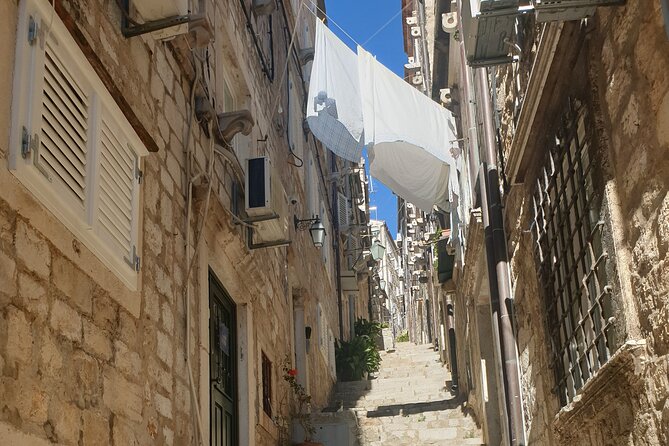
The final stop is the Church of St. Ignatius of Loyola. The tour ends in front of this church, and it is described as the most beautiful church in Dubrovnik, with the surrounding area called the city’s Baroque section.
Even if you are not a Baroque specialist, the ending location helps you connect Dubrovnik’s identity over time. You started with a fortress and then moved into street and civic spaces. Now you finish at a church area that represents another layer of the city’s cultural statement.
There is also a practical reason this ending works for your day. You end near the famous Baroque walk-of-shame stairs. That is a recognizable landmark, so it is easier to reorient yourself when you want to continue walking, take photos, or head back toward your next activity.
The tour gives you about 15 minutes here. That is long enough to appreciate the space and hear the main context, but short enough that you are not stuck standing still. When the tour ends, you are positioned well to keep exploring.
If you like to plan your evenings, this is a good place to finish. You now have a clear last stop and a nearby landmark to use as a reference while you decide where to go next.
Price and planning: how to budget the real cost
At $59.67 per person for a private, about-2-hour tour, this can be a very good value if you want a local guide and a focused hit-list of the most important sights. The private part matters. Instead of squeezing into a big group, you get your own pacing and more room for questions.
But you should budget for the one major extra cost. The Lovrijenac entrance fee is €15 per person and is not included. Because this tour is short, that extra ticket is not buried inside a long day. It is an expected add-on, so it helps to set aside the money before you show up.
Weather also matters. The experience requires good weather. That can affect whether you enjoy outdoor walking and whether the fortress and Old Town stops feel comfortable. If you are visiting in a season where conditions are unpredictable, plan some flexibility around your tour choice.
One more planning tip that is worth your attention: where you start and where you end. You start at Brsalje ul. 9 and you finish at the Church of St. Ignatius area near Poljana Ruđera Boškovića 7. If you have dinner reservations, check the neighborhood so you are not sprinting across town afterward.
Some other walled-city days to weigh
- Mostar and Kravice Waterfalls Tour from Dubrovnik (Semi-Private)★ 5.0 · 3,125 reviews
- Dubrovnik: Blue & Green Caves Private Boat Tour with Drinks★ 4.7 · 814 reviews
- Dubrovnik Private Speedboat Tour to Elaphite Islands with Drinks★ 5.0 · 660 reviews
- Private Tour: Montenegro Day Trip from Dubrovnik★ 4.5 · 495 reviews
- Tour The Game of Thrones – Private Walking Tour★ 5.0 · 464 reviews
Who this tour suits best (and who might want another option)
This is best for first-timers who want their Dubrovnik orientation fast and their history explained in a way that feels like a conversation. It is also great for anyone who hates wandering with a loose plan. You get the key anchors, and the guide helps you connect them into a story.
It is also a strong match for people who appreciate practical add-ons. In real life, guides who do well on this kind of tour often go beyond dates and facts and offer follow-up suggestions like where to eat, drink, and what to see afterward. A good example is the kind of local guidance you can expect from a guide like Josip, who is described as friendly and able to tailor the tour to your interests and answer questions not just about the past, but about modern Dubrovnik too.
If you are looking for a deep, all-day architecture or museum experience, this may feel short. You get the essentials, not a slow study. If you want long time inside buildings or extensive photo time at every stop, you might pair this with additional time on your own.
If you are traveling with service animals, this tour says service animals are allowed. Also, it notes that it is near public transportation, which can make it easier to fit into your schedule.
Should you book this Private Fort Lovrijenac and Dubrovnik City Tour?

If you want a smart, short Old Town introduction with a local English-speaking guide, I think this is a strong booking choice. The highlights are built for orientation: fortress defense, the main street connector on Stradun, civic power at Rector’s Palace, and a Baroque finish at St. Ignatius.
Book it if you:
- want a focused 2-hour plan instead of hours of guesswork
- like your history tied to real places and easy-to-follow explanations
- appreciate practical tips after the tour so you do not lose momentum
Skip it or consider another format if you:
- hate spending extra on entrance fees (Lovrijenac is not included)
- are traveling on days you cannot count on good weather
If you time it well and budget the fort ticket, you come away with a much clearer sense of how Dubrovnik fits together, and that makes everything you do afterward feel simpler.
FAQ
How long is the tour?
The tour is approximately 2 hours.
What is included in the price?
The tour includes an English speaking local guide.
Is the Fort Lovrijenac entrance fee included?
No. The Fort Lovrijenac entrance fee is €15.00 per person and is not included.
What stops are included during the tour?
You visit Lovrijenac Fortress, Stradun, Luža Square, Rector’s Palace, and you end at the Church of St. Ignatius of Loyola.
Where does the tour start and end?
It starts at Brsalje ul. 9, 20000, Dubrovnik, Croatia, and ends in front of the Church of St. Ignatius at Poljana Ruđera Boškovića 7, 20000, Dubrovnik, Croatia.
Is this a private tour?
Yes. It is a private tour/activity, and only your group participates.
Is there an admission ticket needed for Lovrijenac?
Yes. Lovrijenac has an entrance fee, and you should plan for it since it is not included in the tour price.
Do I receive a mobile ticket?
Yes. The tour uses a mobile ticket.
Do I need good weather for this experience?
Yes. The experience requires good weather. If it is canceled due to poor weather, you will be offered a different date or a full refund.
Is free cancellation available?
Yes. You can cancel up to 24 hours in advance for a full refund.
New around Dubrovnik

City Walls Tours, compared.

City Walls Early Morning or Sunset Walking Tour
Read our review →
Dubrovnik Combo: Old Town & Ancient City Walls
Read our review →
City Walls, Old Town Walking Tour & Adriatic View
Read our review →
Dubrovnik Cable Car Ride, Old Town Walking Tour plus City Walls
Read our review →
City Walls Tour for Early Birds & Sunset Chaser
Read our review →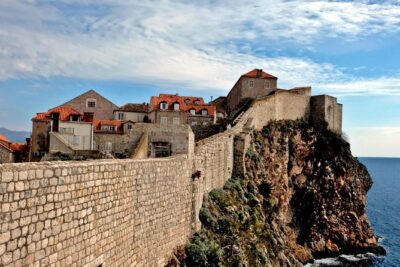
Dubrovnik City Walls Tour for Early Birds or Sunset Chasers
Read our review →Browse the lists this tour appears in