Reviewed · PRIVATE
Dubrovnik to Athens; Semi – Private tour with Tour Leader & Car
Seven borders in 14 days sounds intense. This semi-private car trip strings together Mostar’s Old Bridge, Sarajevo’s WWII trigger story, Montenegro’s medieval lanes, Ottoman-era towns, and Greece’s Meteora sunset views, with a tour leader along for the ride. I especially love how the route mixes big UNESCO name sites with quieter stops like Bišćevića Kuća and the handmade paper museum in Ohrid. I also love the food moments, from an Ottoman-style coffee or tea in Sarajevo to Tirana’s guided meal and grape raki tasting.
One thing to consider is that you will spend long hours in the car on a few days, and some legs can feel like transit eats into sightseeing time.
In This Review
- Key highlights you should know
- From Dubrovnik pickup to border meetings: the tour’s pace
- Day 1 in Bosnia: Mostar’s Old Bridge and Bišćevića Kuća
- Day 2 in Sarajevo: war traces, Latin Bridge, and that Ottoman coffee
- Day 3: Blagaj’s spring water calm, then into Kotor’s old-town maze
- Day 4: Budva and Sveti Stefan viewpoints, plus Shkoder and an Albania mask workshop
- Day 5: slow food at Mrizi i Zanave, then Prizren’s cultural mix
- Day 6: Gjakova’s rebuilt bazaar, Decan’s living monastery, and wine country
- Day 7: Kruja’s resistance legend, the medieval bazaar, and castle shortcuts
- Day 8: Tirana with a local food tour, markets, and raki tasting
- Day 9: Struga and Ohrid, plus the handmade paper stop
- Day 10: St Naum at the lake source, then Drilon and Berat approach
- Day 11 and 12: UNESCO Berat and Gjirokaster, with castle views and stone-town shopping
- Day 13 and 14: Ioannina, Meteora sunset, and your end in Athens or Corfu route
- Price and value: what the $6,020.56 buys you in real terms
- Hotels, drives, and when to manage your expectations
- Should you book the Dubrovnik to Athens semi-private Balkan tour?
- FAQ
- How long is the Dubrovnik to Athens semi-private tour?
- What languages is the tour offered in?
- Where does the tour start, and what time does it begin?
- Is pickup included in Dubrovnik Town?
- What is included in the price?
- How many travelers are on the tour?
Key highlights you should know
- Semi-private group size (max 10 travelers), so you get more attention and easier pacing.
- UNESCO hits in multiple countries without needing flights, plus lots of guided walking time.
- Food is built in, not an afterthought: Sarajevo coffee, Tirana market meal, and slow food at Mrizi i Zanave.
- Professional driving and logistics focus, including border transfers and hotel-area pickup notes in Dubrovnik.
- War-era history is handled directly, especially in Sarajevo, alongside Ottoman and Austro-Hungarian layers.
- Meteora is timed for sunset, one of those end-of-trip moments that feels worth the effort.
From Dubrovnik pickup to border meetings: the tour’s pace
You start in Dubrovnik with a 7:30 am launch point near Platska ul. 7. Then you do the part that most Europe tours dodge: you meet your ride close to your Dubrovnik hotel, right inside the workable edges of Dubrovnik Town. The fine print matters here, cars cannot enter some parts of Dubrovnik Town, so you will likely walk a bit to your pickup point. It is normal for the Balkans, and it is the price you pay for staying local in a medieval walled city.
After that shuttle to the border, you meet your tour leader and the trip becomes a true cross-country drive. This is not a hop-on, hop-off bus tour. You will move by private transportation, with the same core group and guide energy, which helps when the itinerary changes due to weather or site closures. It also means you can ask questions on the spot, instead of waiting until a museum label.
Day 1 in Bosnia: Mostar’s Old Bridge and Bišćevića Kuća
Day 1 is your first “new world” moment. You leave Croatia behind, cross into Bosnia and Herzegovina, and head straight for Mostar Old Bridge, Stari Most. This is the UNESCO site that most people picture before they even arrive. What makes it more than a photo stop is the pairing: you also wander the Old Bazaar, where Ottoman-style architecture, craft lanes, and lively market streets sit next to modern life. Expect a classic “walk the curves and let the street texture do the talking” day.
You also stop at Bišćevića Kuća (Biscevic House), an Ottoman residential house from the 17th century, by the river. I like this stop because it shifts the story away from monuments and into daily life. In practical terms, it is a shorter visit, so it does not swallow the whole day.
Some other walled-city days to weigh
- Mostar and Kravice Waterfalls Tour from Dubrovnik (Semi-Private)
★ 5.0 · 3,125 reviews - Dubrovnik: Blue & Green Caves Private Boat Tour with Drinks
★ 4.7 · 814 reviews - Dubrovnik Private Speedboat Tour to Elaphite Islands with Drinks
★ 5.0 · 660 reviews - Private Tour: Montenegro Day Trip from Dubrovnik
★ 4.5 · 495 reviews
Day 2 in Sarajevo: war traces, Latin Bridge, and that Ottoman coffee
Sarajevo is a bigger emotional swing, in a good, human way. You drive from Mostar to the capital, then do a walking tour on uneven terrain. The tour focuses on origins of Sarajevo and the medieval Bosnian kingdom, but the guide also points out wartime reminders like bullet holes and cannon marks you can still see. This is not a “tour that avoids the hard parts.” It is more like a city explained through its layers, including the hard modern layer.
You cover both Ottoman and Austria-Hungarian areas, which is a big deal here. Sarajevo earned the nickname European Jerusalem because different communities and empires left visible marks. You also visit the Latin Bridge, a key WWI trigger site, and you get the story behind why it was tied to the Catholic quarter called Latinluk. Then comes a smart break that feels like a payoff, Caffe Divan for a complimentary Ottoman-style coffee or tea.
Tip if you care about comfort: Sarajevo involves uneven ground and walking time, so bring shoes you trust. This is one of those days where good footwear pays back immediately.
Day 3: Blagaj’s spring water calm, then into Kotor’s old-town maze
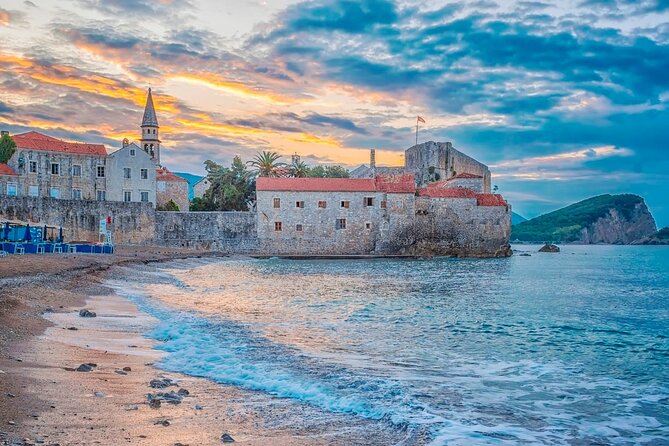
Day 3 starts with Blagaj, a small Ottoman town just outside Mostar. It sits under a cliff, with the Buna spring waters in front. The feeling here is very different from Mostar. It is slower, more about nature and how the buildings sit around water and rock.
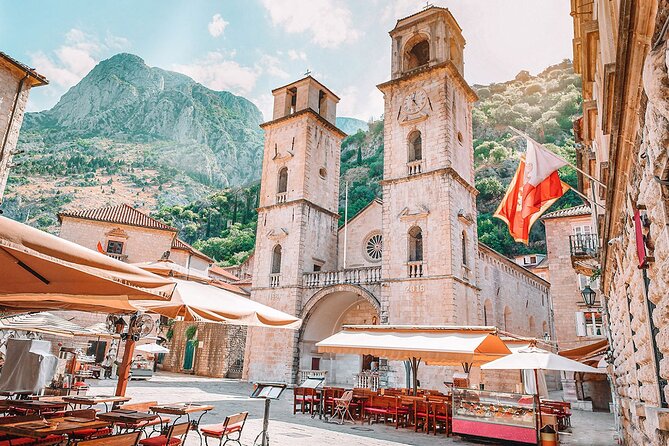
Then you continue toward Kotor in Montenegro, another UNESCO World Heritage site. The old town is famous for narrow cobblestone streets that look chaotic on purpose. The route even tells you why the plan was made that way: confusing intruders who came to plunder. Your guided time includes a stop at Saint Luke’s church, which locals connect with a sense of unity. You also get afternoon time to explore Kotor at your own pace, which is important because it helps you absorb what you just learned.
Day 4: Budva and Sveti Stefan viewpoints, plus Shkoder and an Albania mask workshop
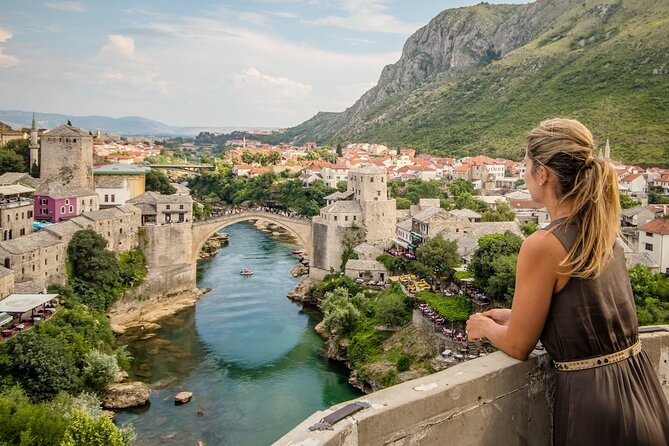
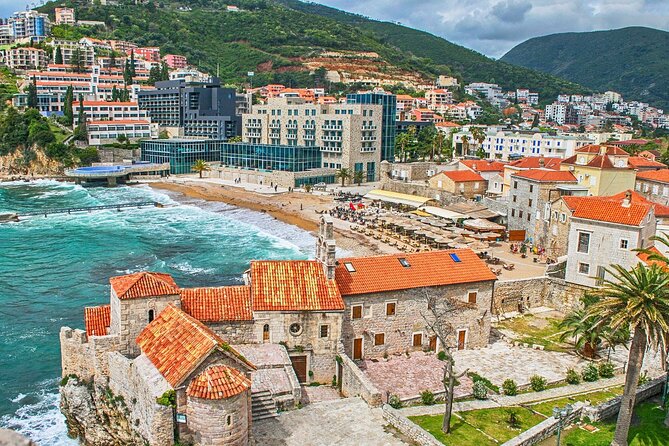
Day 4 is a “coast to inland” transition day. You start with Budva, split into Old Budva and New Budva. The tour focuses on the historic center, including St. Ivan church and the small church of St. Mary. Budva’s Old Town feels dense, built for walking rather than long pauses.
Then you stop near Sveti Stefan. You cannot visit the island itself anymore because it functions as an exclusive residential resort, but you can still see it from the coast. It is one of those view stops where you get a strong postcard image and then move on.
Next comes northern Albania: Shkoder and nearby Rozafa Castle with big views over the lake and rivers meeting toward the Adriatic Sea. The architecture influence here connects back to Venetian style, which helps you understand why some of these cities feel related even when they are in different countries.
You end the day with the very specific and hands-on stop: a Venice Art Mask Factory where you see papier-mâché masks painted and decorated by hand. Even if you do not buy, watching the work helps you remember this trip is not just stones and churches. It is craft culture too.
Day 5: slow food at Mrizi i Zanave, then Prizren’s cultural mix
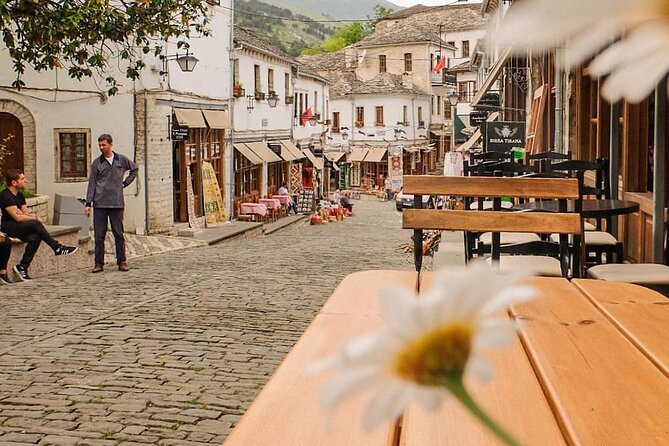
Day 5 begins with a slow food farm: Mrizi i Zanave (Agroturizëm). The tour takes you around the farm and explains how this business helped create jobs for more than 400 people in the wider area. The big practical upside is product focus. You learn how regional bio products are collected, processed, and preserved. You also get time for lunch (not included) or to buy fresh items from the farm store if you want something real to take home.
In the afternoon, you drive to Prizren, Kosovo’s cultural capital. I like how the tour frames Prizren as a crossroads of Byzantine and Ottoman influences, plus a place of religious tolerance you can feel through architecture and street layout. You get a guided walk through the old town, including the river cutting through the city and the bridges threading the river space.
Stops in Prizren include the Sinan Pasha Mosque for pattern and color, plus Kalaja Fortress for a hilltop panorama. The tour includes fortress time, but it also leaves breathing room with a free afternoon. That balance is key on a long multi-country itinerary.
Other ways the same afternoon could go from Dubrovnik:
- Blue Cave Small-Group Boat Tour from Dubrovnik★ 5.0 · 9,360 reviews
- Full-Day Dubrovnik Elaphite Islands Cruise with Lunch and Drinks★ 5.0 · 8,823 reviews
- Dubrovnik: Epic Game of Thrones Tour + Lokrum & Saver Option★ 4.9 · 5,995 reviews
- Dubrovnik: Elaphiti Islands Full-Day Cruise with Lunch★ 5.0 · 5,938 reviews
- Dubrovnik: Old Town Walking Tour★ 4.8 · 5,174 reviews
Day 6: Gjakova’s rebuilt bazaar, Decan’s living monastery, and wine country
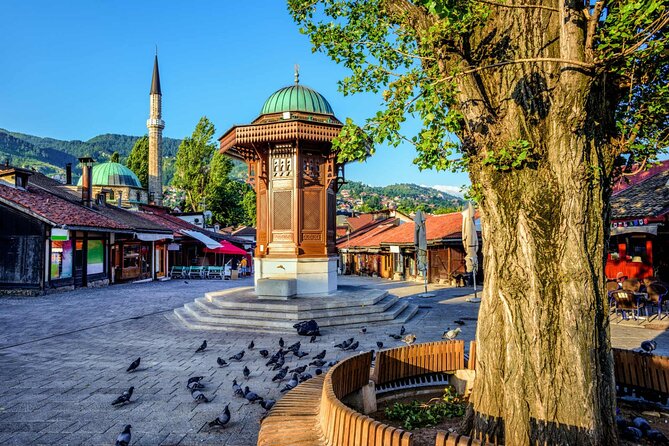
Day 6 keeps Kosovo moving. You stop in Gjakova first, home to the oldest and largest bazaar in Kosovo. The bazaar has been destroyed and rebuilt after major conflicts, and the point of the visit is how community trade gets restored. You can eat, browse craft stores, and watch traditional skills in artisan workshops.
Then you head to the Monastery of Decan, a UNESCO site from 2004. The standout here is that Orthodox monks still inhabit the monastery and make fresh organic food. You also see frescoes that depict 14th century life and the Palaeologan renaissance shift in Byzantine painting.
Before returning back toward Prizren, you visit the Rahovec Valley wine area, described as a viticulture center with grape cultivation evidence going back thousands of years. There is even an annual wine festival in September. You spend the night in Prizren, so the day ends with a place to reset.
Day 7: Kruja’s resistance legend, the medieval bazaar, and castle shortcuts
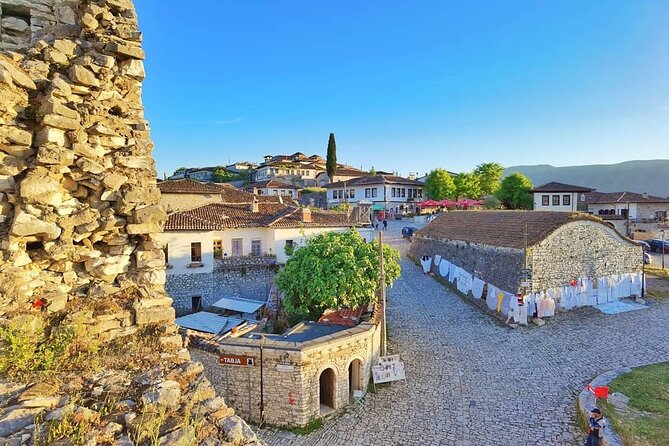
Day 7 is Albania’s medieval resistance theme in action, starting with Kruja. The tour emphasizes Kruja as an Albanian symbol of resistance against Ottoman expansion in the 15th century. You walk through the narrow streets and wooden houses in the medieval old bazaar, which the itinerary calls one of the biggest and oldest in the Balkans.
You also visit Kruja Castle, where the guide shares the practical story behind strategic construction. The castle sits on a rocky hill, and your guide takes you through hidden paths used by locals to slip out during periods of siege. That kind of detail is why guided time matters.
After that, you get time for lunch and souvenir shopping in town. Kruja is one of the places where “souvenir” can actually mean craft you can explain after you buy it, especially if you talk with shopkeepers inside the old market area.
Day 8: Tirana with a local food tour, markets, and raki tasting
Day 8 is Tirana, Albania’s capital, and it is handled differently than the earlier days. You meet a local companion for a culinary-focused walk. The tour makes a clear point about appetite, come with an empty stomach, then enjoy what comes next.
You start at a smaller local spot for Byrek tasting, thin layers of dough filled with cheese, meat, spinach, or other options. Then you move to the Çam bazaar area, where you can buy goods from clothing to kitchen equipment and bargain with sellers. The tour is also built to show daily life, then you hit Pazari i Ri, the second-hand market and New Bazaar food zone. You sit down for a traditional Albanian meal prepared with regional specialties, then taste Albanian grape raki.
If you like food as cultural shorthand, this is one of the best parts of the whole trip because it is not a generic restaurant lunch. It is part of a guided street market flow.
Day 9: Struga and Ohrid, plus the handmade paper stop
Day 9 crosses into North Macedonia. You make a stop in Struga near the Drini River source, then continue to Ohrid. Ohrid and the lake are UNESCO World Heritage, with a layered story that includes Roman names and long habitation by earlier peoples. Your guided time includes a view at the Church of St. John at Kaneo.
Ohrid is also famous for Orthodox churches, listed in the itinerary as 365 churches, one for each day. Then you see Ottoman-period house architecture that created narrow streets, tunnels, and tiny yards built into a hilly terrain.
The stop that I find especially memorable is the National Workshop for Handmade Paper Ljupcho Panevski. You learn how handmade paper is made using techniques traced back to the time of Gutenberg, and you can buy a piece of paper as a souvenir. That is the kind of “I can still touch the memory” purchase that works better than most postcards.
Day 10: St Naum at the lake source, then Drilon and Berat approach
Day 10 starts with Monastery of Saint Naum. It sits near the source of the River Crni Drim, tied to the Lake Ohrid system. You get a look at the monastery complex in a protected national park setting, with crystal-clear spring water and mountain peaks reflecting behind it.
Then you cross border back toward Albania and stop at Tushemisht. This is described as a hidden stop for interacting with local street vendors selling homemade preserves, honey, herbs, and handmade souvenirs. The tour keeps it short, so it works best if you like quick chats and browsing.
You also visit Driloni National Park for a calm water and greenery break before heading toward Berat. Expect a slow, scenic pause with weeping willows by the lakeshore and time to relax. This is not a rushed city day.
Day 11 and 12: UNESCO Berat and Gjirokaster, with castle views and stone-town shopping
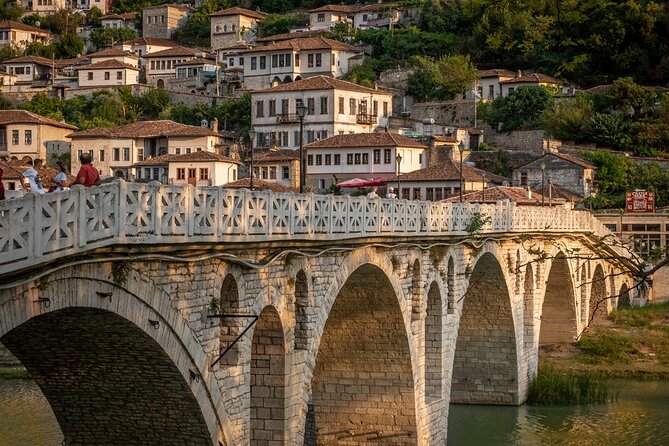
Berat is the “1001 windows” city, a UNESCO World Heritage site. Day 11 centers on Berat and includes Berat Castle, plus the National Iconographic Museum Onufri. The tour explains why Berat feels stacked vertically, with windows and old houses that look like they sit on top of each other. You also see how residents still live inside castle walls, so it is not only ruins and viewpoints.
The castle and museum time helps you understand Berat beyond photos. You also visit Gorica neighborhood and get extra orientation around the town’s feel.
Day 12 is Gjirokaster, the “Stone City” UNESCO site. It is described as a fortified city where houses feel like small fortresses. The tour includes walking the medieval bazaar area, then visiting one of the best-preserved houses where interiors are presented as authentic and original.
You also have a The Barrels Winery stop, a family-run vineyard for lunch time in the countryside setting. The tour lists lunch as free time and not included in the overall package, so you should plan to pay for your meal if you eat on-site.
Day 13 and 14: Ioannina, Meteora sunset, and your end in Athens or Corfu route
Day 13 pushes you into Greece. You start in Ioannina, walking cobbled streets where Byzantine and Ottoman era marks show up in the architecture. You also visit Ioannina Castle, described as dating back to the Byzantine era and containing a labyrinth-like network of narrow streets and historic buildings. The tour leaves room for cafes and traditional Greek food flavors in the area.
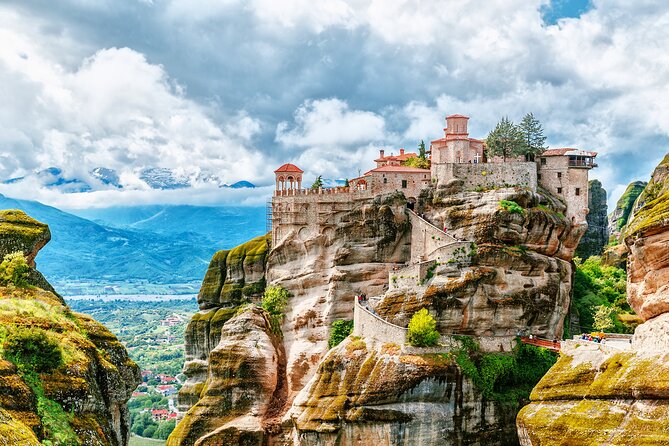
Then you drive to Meteora, a UNESCO World Heritage site with monasteries built atop rock formations dating to the 14th and 15th centuries. This is the day’s and often the trip’s emotional peak because the itinerary is timed for an unforgettable sunset. You get a guided visit and then you watch the light change across the rocks and sky.
Day 14 is the finishing transfer. Your tour leader drops you off in Athens, or the trip notes also describe an ending that includes drop-off in Igoumentisa Port and a ferry to Corfu with tickets included. Because the provided details show both endings, check the exact version on your booking confirmation so you know which final steps you will take.
Price and value: what the $6,020.56 buys you in real terms
At $6,020.56 per person, this is not a budget backpacker itinerary. The value comes from how the logistics are handled and what is included across countries.
Here is what you get for your money based on the listed inclusions:
- 3-star hotel stays with breakfast for all overnights.
- Professional tour leader plus private transportation across borders.
- Hotel pickup inside Dubrovnik Town from a nearby reachable point (cars cannot reach every street).
- Entry tickets for sites that are listed as visited plus tourist taxes.
- Car insurance, road taxes, and petrol included, which matters more on long cross-country days than most people realize.
- Tasting and guided food moments built into the program, including Ottoman-style coffee or tea in Sarajevo and the Tirana food tour meal plus grape raki.
What you do not get:
- Lunches, dinners, drinks, and snacks. You will budget for food most days. The good news is that you have real local stops rather than random highway restaurants.
So I think this price makes sense if you value time, comfort, and interpretation. If you want maximum independence and you enjoy planning your own borders and ticketing, you might find other ways to do parts of this route. But if you want a guided, structured overview with transportation handled, this is priced like a “less stressful, more guided” option.
Also, reviews you may read online consistently highlight the guide effort and the way the team handled questions before and during the trip. Names that come up include Sokol as a tour leader, Eri as a driver, Neli as a guide, and Gerion as another guide. That matters because on multi-country drives, the leader quality is the difference between seeing places and understanding them.
Hotels, drives, and when to manage your expectations
This tour caps at 10 travelers, which keeps it from feeling like a giant group. You also get to stay in smaller, more locally run hotels for many nights, and at least some accommodations can feel more modern than you would expect for “3 star” on paper. You still should expect compact rooms at times, and you should expect the schedule to sometimes tighten up if a site closes or weather slows the roads.
Now for the drawback I would not sugarcoat. Some stretches are long. One critique you can learn from is that a few long drives can make it feel like you have less time for major sights, like the number of hours available at Meteora compared to what people hope to do. Another critique mentioned a long day from Prizren toward Ohrid via additional stops, plus a longer final drive toward Athens. That does not ruin the trip, but it does change how you should pack your expectations.
My practical advice: treat the “drive days” as part of the experience. Bring offline maps or music, keep a light snack stash for the gaps, and plan your biggest walking days for days you know include multiple stops. If you need lots of free time every afternoon, you might find this itinerary a bit scheduled.
Should you book the Dubrovnik to Athens semi-private Balkan tour?
Book it if you want a guided, multi-country route that connects UNESCO sites with the stories behind them, and you like the idea of traveling by car with the same group and tour leader. It is especially a good fit if you care about cultural layering, including Ottoman and Austria-Hungarian Sarajevo, Ottoman residential life in Mostar’s house stop, and living monastery context at Decan and St Naum. The food inclusions also make it feel lived-in rather than purely sightseeing.
Skip it or rethink if you hate long drives. If you prefer shorter transit legs and more time at each “main event,” you may feel rushed on a few days. Also, because lunch and dinner are not included, your total trip cost will rise if you eat at every stop.
FAQ
How long is the Dubrovnik to Athens semi-private tour?
It is listed as about 14 days.
What languages is the tour offered in?
The tour is offered in English.
Where does the tour start, and what time does it begin?
The start is Platska ul. 7, 20000, Dubrovnik, Croatia, with a start time of 7:30 am.
Is pickup included in Dubrovnik Town?
Yes. Pickup is offered from the nearest point of your hotel within Dubrovnik Town, with the note that cars may not enter some parts of Dubrovnik Town.
What is included in the price?
The inclusions listed are 3-star accommodation and breakfast for all overnights, a professional tour leader, private transportation, hotel pickup in Dubrovnik Town, entry tickets for sites that will be visited, tourist taxes, and the international car insurance, road taxes, and petrol. It also includes one Ottoman-style coffee or tea in Sarajevo and a Tirana food tour on Day 8, plus breakfast on Day 13.
How many travelers are on the tour?
The tour has a maximum of 10 travelers.
New around Dubrovnik
Private, compared.
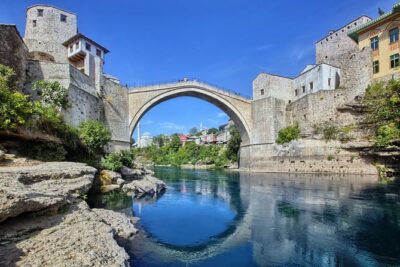
Mostar and Kravice Waterfalls Tour from Dubrovnik (Semi-Private)
Read our review →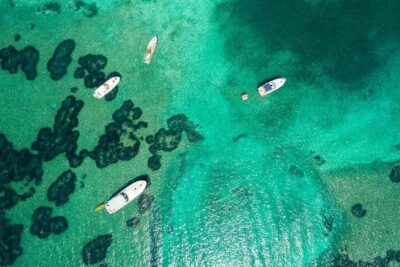
Blue & Green Caves Private Boat Tour with Drinks
Read our review →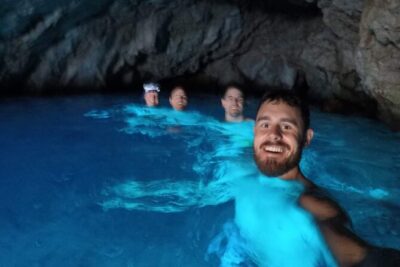
Dubrovnik Private Speedboat Tour to Elaphite Islands with Drinks
Read our review →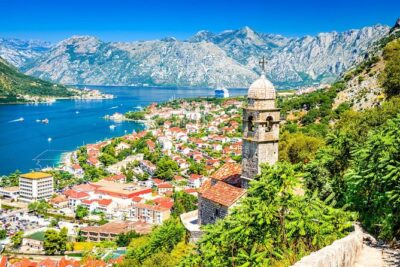
Private Tour: Montenegro Day Trip from Dubrovnik
Read our review →
Tour The Game of Thrones – Private Walking Tour
Read our review →
Montenegro Private Full Day Tour from Dubrovnik
Read our review →