Reviewed · PRIVATE
Dubrovnik Homeland War Private Tour
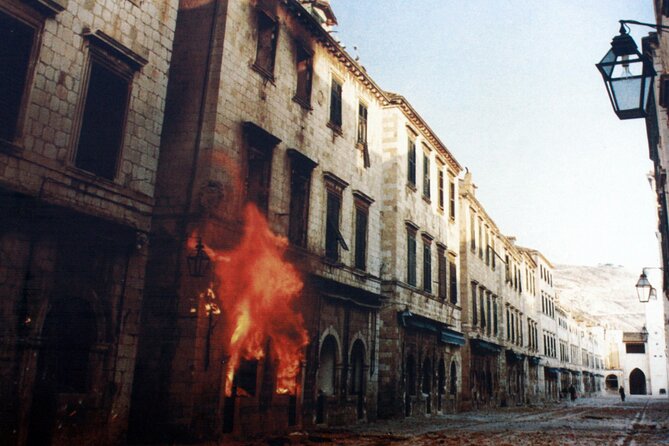
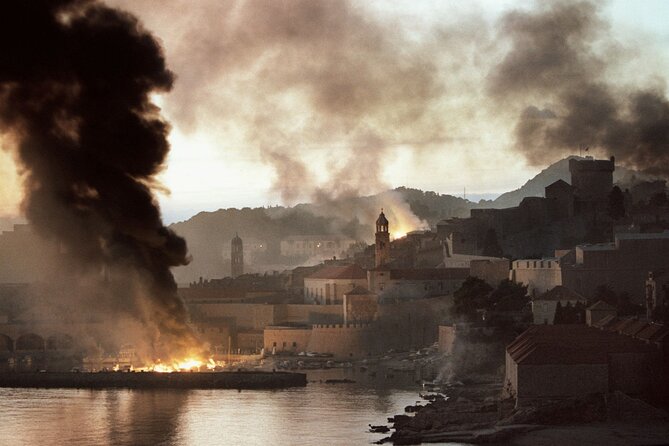
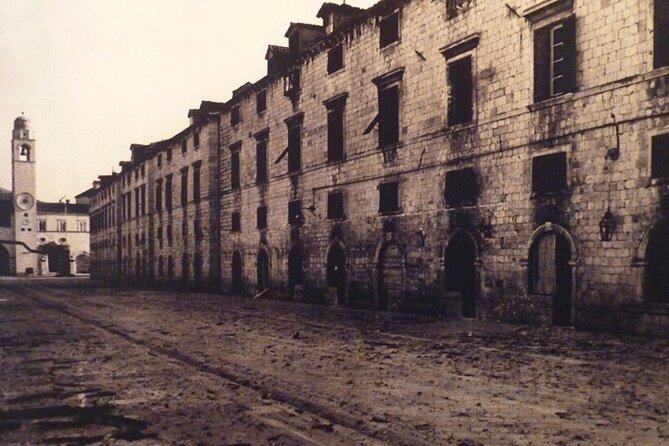
A siege story, told by someone who lived it. This private Dubrovnik Homeland War tour blends veteran firsthand memories with the real, walkable geography of the old town, then ends where the fortifications still feel close. I love how personal it is, and how the guide does not just explain dates, they connect the war to the streets you are standing on.
What I also like is the balance: you get the big emotional core, then you also move through classic Dubrovnik highlights like Luza Square, the Rector’s Palace area, the cathedral zone, and the Church of St Ignatius staircase lanes. One drawback to plan for, though, is the subject matter, it is heavy and reflective, and the route involves steady walking on old-city stone with stairs.
If you can handle that emotional weight and you are ready for a focused 2 hours 30 minutes, this is the kind of tour that gives you Dubrovnik in full, not just the postcard version.
In This Review
- Key highlights worth planning around
- Why this tour feels different on the ground
- Revelin Fortress kickoff: where the fortifications start talking
- City Walls segment: harbor views plus fortification logic
- Luza Square and the Sponza memorial room: the included emotional center
- Stradun: the main street that makes the story walkable
- Poet Ivan Gundulic and the green market area: everyday Dubrovnik between the big sites
- Rector’s Palace area: power, governance, and what people protect
- Cathedral zone: the religious center of a city under pressure
- Jesuit Staircase and St Ignatius of Loyola: stairs, views, and hidden lanes
- Church of St Joseph and the small placeta: calm pauses on the way
- Franciscan Church and Monastery plus Onofrio’s Fountain zone
- End at Pile Gate: where the route resolves at a fortified edge
- Price and value: what you are really paying for
- Who should book this tour
- Practical tips so the day feels smooth
- Should you book the Dubrovnik Homeland War Private Tour?
- FAQ
- How long is the Dubrovnik Homeland War private tour?
- How much does it cost per person?
- Is the tour offered in English?
- What is included in the tour price?
- Where do I meet the guide and where does the tour end?
- Is this tour private?
Key highlights worth planning around
- Veteran-led Homeland War context, shared with real personal detail, not generic facts
- The Homeland War Memorial Room entry in the Sponza Palace area, included with your tour
- A tight old-town loop from Revelin Fortress through Luza Square and down to Pile Gate
- Major historic sight stops that connect the siege to Dubrovnik’s civic and religious center
- Language choice is clear, offered in English, and it is structured so you can keep up
Why this tour feels different on the ground
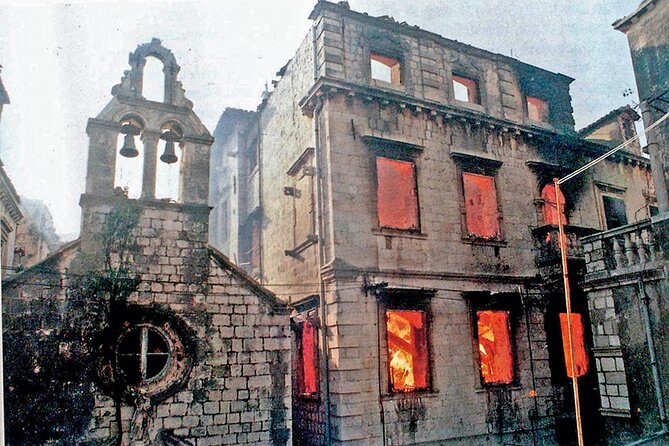
Dubrovnik is famous for walls and Game of Thrones vibes, but this tour uses that scenery for a purpose. The guide frames the Homeland War through the city’s layout, so the story keeps landing in the right place: harbor viewpoints, fortifications, the civic square, and the routes that defenders and civilians would have known well.
I also like that it is private, meaning you are not trapped in a one-size-fits-all lecture. The guide can answer questions and slow down when something needs context. In the guided conversations I heard about, names like Mato and Vlaho came up, both described as veteran-led and very open with what it meant for soldiers and civilians during the 1991 to 1992 siege period.
Revelin Fortress kickoff: where the fortifications start talking
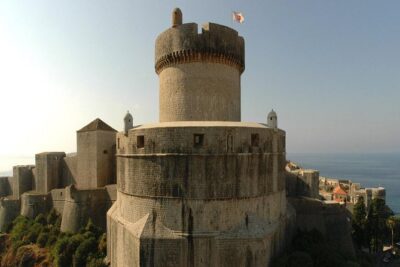
You begin at Ulica Vrata od Ploča, near Revelin Fortress. The early minutes work like a warm start, not a deep lecture. You get orientation fast, and you begin with a defensive point of view, which matters later when you move along the walls and into Luza Square.
Even if you already know Dubrovnik has major fortifications, starting here changes how you read everything that follows. You stop seeing walls as scenery and start seeing them as decisions, strategy, and limits. There is also a practical side: you are getting into the rhythm of the tour before the emotional parts in the center.
Some other walled-city days to weigh
- Mostar and Kravice Waterfalls Tour from Dubrovnik (Semi-Private)
★ 5.0 · 3,125 reviews - Dubrovnik: Blue & Green Caves Private Boat Tour with Drinks
★ 4.7 · 814 reviews - Dubrovnik Private Speedboat Tour to Elaphite Islands with Drinks
★ 5.0 · 660 reviews - Private Tour: Montenegro Day Trip from Dubrovnik
★ 4.5 · 495 reviews
City Walls segment: harbor views plus fortification logic
Next comes a walk section along the Dubrovnik City Walls, with stops that include the old city harbor area, plus references to fortifications like Fortress of St John and fortifications of St Luke, and the Dominican Monastery area.
This is one of the best ways to connect geography to history. If you look outward first, the later civic landmarks make more sense. You can picture why certain positions mattered, and why the harbor context shows up in siege stories.
Timing here is brief, around 20 minutes, so keep your expectations realistic. This is not a full wall-hike from end to end. It is a guided slice that sets up the rest of the loop, so you stay focused and do not waste time wondering where you are supposed to be looking.
Luza Square and the Sponza memorial room: the included emotional center
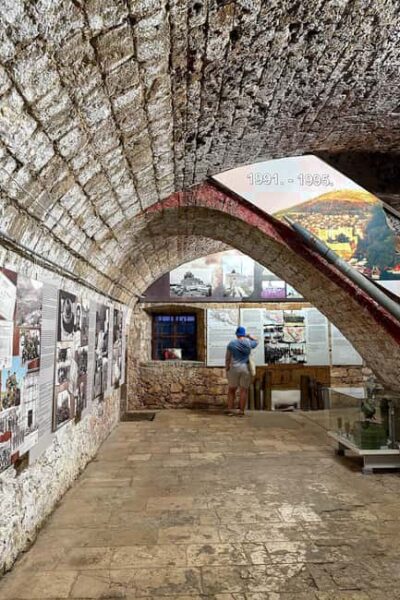
Luza Square is where Dubrovnik’s civic life concentrates. You walk past recognizable points such as the Clock Tower, City Hall area, the small Onofrio’s Fountain, and the Church of St Blaise. Then you head into the heart of the included experience: the Homeland War Memorial Room at Sponza Palace, and that entry is included.
This is the stop that turns the tour from sightseeing into understanding. Seeing videos and photo material in a memorial room helps you anchor the guide’s stories with something you can look at directly. It is not just memory, it becomes a shared record, and you leave with a clearer sense of what the siege meant day to day.
Practical tip: plan your energy for this moment. It is easy to expect the memorial room to be quick. It can feel emotionally longer than it looks on paper, so if you tend to get overwhelmed, let yourself go slowly and take breaks on the way back out.
Stradun: the main street that makes the story walkable

After Sponza, the tour heads toward Stradun, Dubrovnik’s main pedestrian street. It is a short segment, but it is useful. Stradun acts like a spine through the old town, and it helps you translate the war story into movement.
If you have ever walked Stradun before, you know it can feel like a stage set. Here, the guide nudges you to read it differently. You start noticing sight lines, building blocks, and how the street connects to gates and defensive zones you visited earlier.
Poet Ivan Gundulic and the green market area: everyday Dubrovnik between the big sites
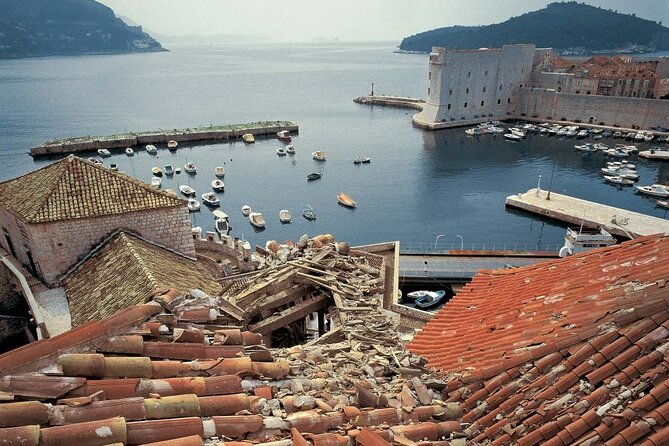
A small stop follows at the Monument of Poet Ivan Gundulic, plus the green market area, and nearby palaces like the Pucic Palace. This kind of pause matters, because it reminds you that a city is more than what happens during a crisis.
These stops are not meant to be a history lesson by themselves. They act like punctuation. You get a quick look at the city’s everyday texture, then you move back into civic and religious anchors.
Other ways the same afternoon could go from Dubrovnik:
- Blue Cave Small-Group Boat Tour from Dubrovnik★ 5.0 · 9,360 reviews
- Full-Day Dubrovnik Elaphite Islands Cruise with Lunch and Drinks★ 5.0 · 8,823 reviews
- Dubrovnik: Epic Game of Thrones Tour + Lokrum & Saver Option★ 4.9 · 5,995 reviews
- Dubrovnik: Elaphiti Islands Full-Day Cruise with Lunch★ 5.0 · 5,938 reviews
- Dubrovnik: Old Town Walking Tour★ 4.8 · 5,174 reviews
Rector’s Palace area: power, governance, and what people protect
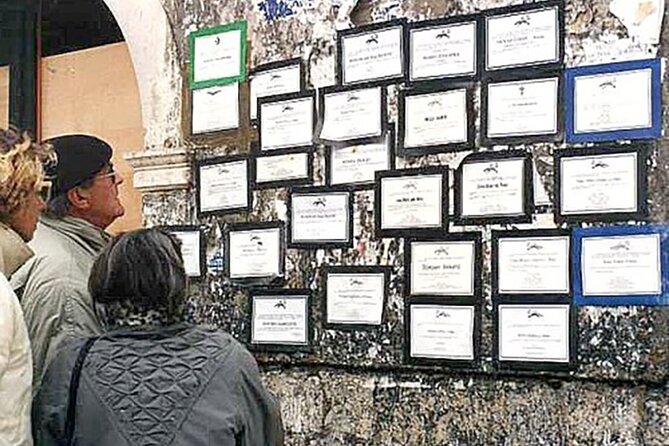
You then walk to the Rector’s Palace area, historically tied to the seat of government of the Republic of Dubrovnik. Even if you do not go into deep architectural detail on this tour segment, the placement is smart.
You are now connecting civic authority to the war narrative. When the guide talks about the Homeland War, it is not only about the battlefield. It is also about institutions, decisions, and who had to keep functioning. Standing in the vicinity of the old government center makes that link feel more concrete.
Cathedral zone: the religious center of a city under pressure
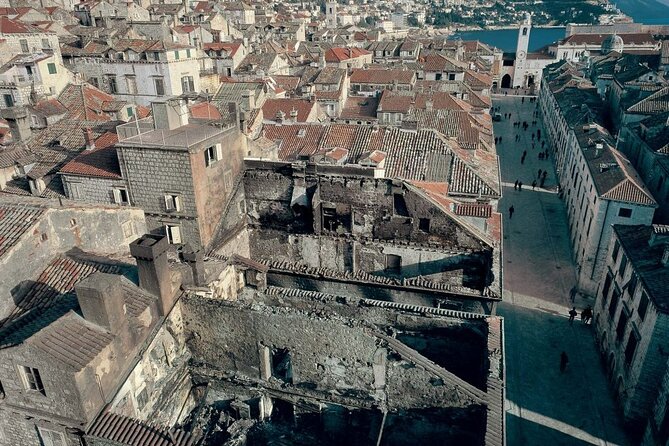
Next comes the cathedral area, including the Cathedral of the Assumption of the Virgin Mary zone, and nearby references to the Treasury of the Republic, Bishop’s Palace, and the Ponta Gate.
Religious landmarks in old cities often do double duty during hard times. They can provide community identity, meeting points, and symbols of continuity. This is what the guide’s storytelling helps you see: even when the architecture is centuries older, the meaning can still carry forward into a newer crisis.
The segment is short, about 10 minutes, so do not expect a full cathedral visit with treasury details. If you want a deeper architectural dive later, you will have the context to enjoy it more on your own.
Jesuit Staircase and St Ignatius of Loyola: stairs, views, and hidden lanes
Then the tour turns to one of Dubrovnik’s most memorable textures, the Church of St Ignatius of Loyola and the Jesuit staircase. You also pass surrounding streets that feel tucked in and quieter than Stradun.
This part is about walking scale. The climb and stairways change your perspective. Up close, Dubrovnik is not flat and uniform, it is layered, steep, and connected by little routes. That matters to the war story because defenders and civilians would have navigated these micro-paths, not just the main thoroughfares.
A related benefit: this is where many first-time visitors feel the city’s age. The lanes can be easy to miss when you are just chasing major sights. With a guide, you notice how the city was built for both daily life and defense.
Church of St Joseph and the small placeta: calm pauses on the way
You continue to the Church of St Joseph area, including the placeta, the Wide Street, and the House of Ivo Grbić references. This is another brief stop, around 15 minutes, and it serves a similar role to the market stop earlier.
It keeps the tour from becoming only walls and big monuments. You get a sense of local scale and street rhythm, which makes the memorial and civic sites feel less disconnected. When history hits, it hits better when you have the city’s normal texture in your head.
Franciscan Church and Monastery plus Onofrio’s Fountain zone
The next major stop is the Franciscan Church and Monastery area, with references to the Large Onofrio’s Fountain and the Church of the Holy Saviour. These stops group well because they sit in a dense historic cluster, and they let the guide keep the narrative flowing.
One thing I like about this tour pacing is how it uses clusters of nearby sights. You do not backtrack across the old town. You keep moving forward through a coherent loop, and each cluster reinforces what you learned in the last one.
End at Pile Gate: where the route resolves at a fortified edge
The tour finishes at Pile Gate, passing along the west gate zone, St Lawrence and Bokar Fortresses references, and the Kolorina Bay area. The total walking time is about 2 hours 30 minutes, give or take, and the ending point helps you connect your last look at fortifications with the earlier starting perspective near Revelin.
By the time you arrive at Pile Gate, the tour usually clicks in your head. You have gone from defensive structures to civic squares to memorial space to hidden streets, and then back to the fortified exit. It feels like closing a loop.
Price and value: what you are really paying for
At $120.16 per person for about 2.5 hours, this is not a budget tour. But it is also not just paying for walking and basic city facts.
The value comes from three things that are harder to replicate:
- A private veteran-led perspective that connects the siege to the exact streets you walk
- Included entry to the Homeland War Memorial Room in Sponza Palace
- A structured old-town route through major landmarks, so you do not waste time figuring out what matters
Also check for group discounts, if that option applies to your booking. If you are traveling with family or friends who want the same focus, splitting cost can make this feel more reasonable quickly.
Who should book this tour
This fits best if you want more than sightseeing. Book it if you care about:
- How place and history link together
- Personal, human stories tied to Dubrovnik’s defenses
- A guided walk that includes both Homeland War context and major old-town landmarks
It is also a good choice if you like when a tour guide can answer questions patiently. In the experiences described, guides were praised for taking time and being open, including with tough questions.
If you want a purely light, entertainment-heavy walk with no heavy topics, you might prefer a different Dubrovnik tour. This one is designed for meaning, not just movement.
Practical tips so the day feels smooth
- Wear comfortable shoes with grip, the old town surfaces can be uneven and sloped.
- Plan to dress for the weather. The experience notes that it requires good weather, so if conditions are poor, the tour may shift or be refunded.
- Bring a small water plan. Food and beverages are not included, so decide how you will handle hydration during 2.5 hours of walking.
- Expect a mix of emotional reflection and landmark viewing. The order matters, and the memorial room is the point where you should slow down.
Should you book the Dubrovnik Homeland War Private Tour?
Yes, if you want Dubrovnik with context. This tour’s best strength is that it does not treat the Homeland War as distant history. You get a veteran-led narrative, then you physically move through key city points that explain why the siege story belongs here.
Book it if you like guided structure and you want an included memorial room experience rather than only photo stops. It is also a smart pick for couples and small groups who want a more personal rhythm, not a crowded group shuffle.
Pass if you are looking for a purely relaxed, casual walkthrough. The walking is real, and the emotional tone is real too. But for the right traveler, this is one of the most meaningful ways to understand Dubrovnik beyond the walls.
FAQ
How long is the Dubrovnik Homeland War private tour?
The tour runs for about 2 hours 30 minutes.
How much does it cost per person?
The price is $120.16 per person.
Is the tour offered in English?
Yes, the tour is offered in English.
What is included in the tour price?
Professional tour guidance is included, and the entrance to the Homeland War Memorial Room is included.
Where do I meet the guide and where does the tour end?
You meet at Ulica Vrata od Ploča (20000 Dubrovnik) and the tour ends at Nautika Brsalje ul. 3 (20000 Dubrovnik), near the west gate of Pile.
Is this tour private?
Yes. It is a private tour/activity, so only your group participates.
New around Dubrovnik


Private, compared.
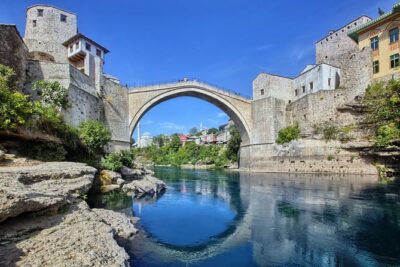
Mostar and Kravice Waterfalls Tour from Dubrovnik (Semi-Private)
Read our review →
Blue & Green Caves Private Boat Tour with Drinks
Read our review →
Dubrovnik Private Speedboat Tour to Elaphite Islands with Drinks
Read our review →
Private Tour: Montenegro Day Trip from Dubrovnik
Read our review →
Tour The Game of Thrones – Private Walking Tour
Read our review →
Montenegro Private Full Day Tour from Dubrovnik
Read our review →